
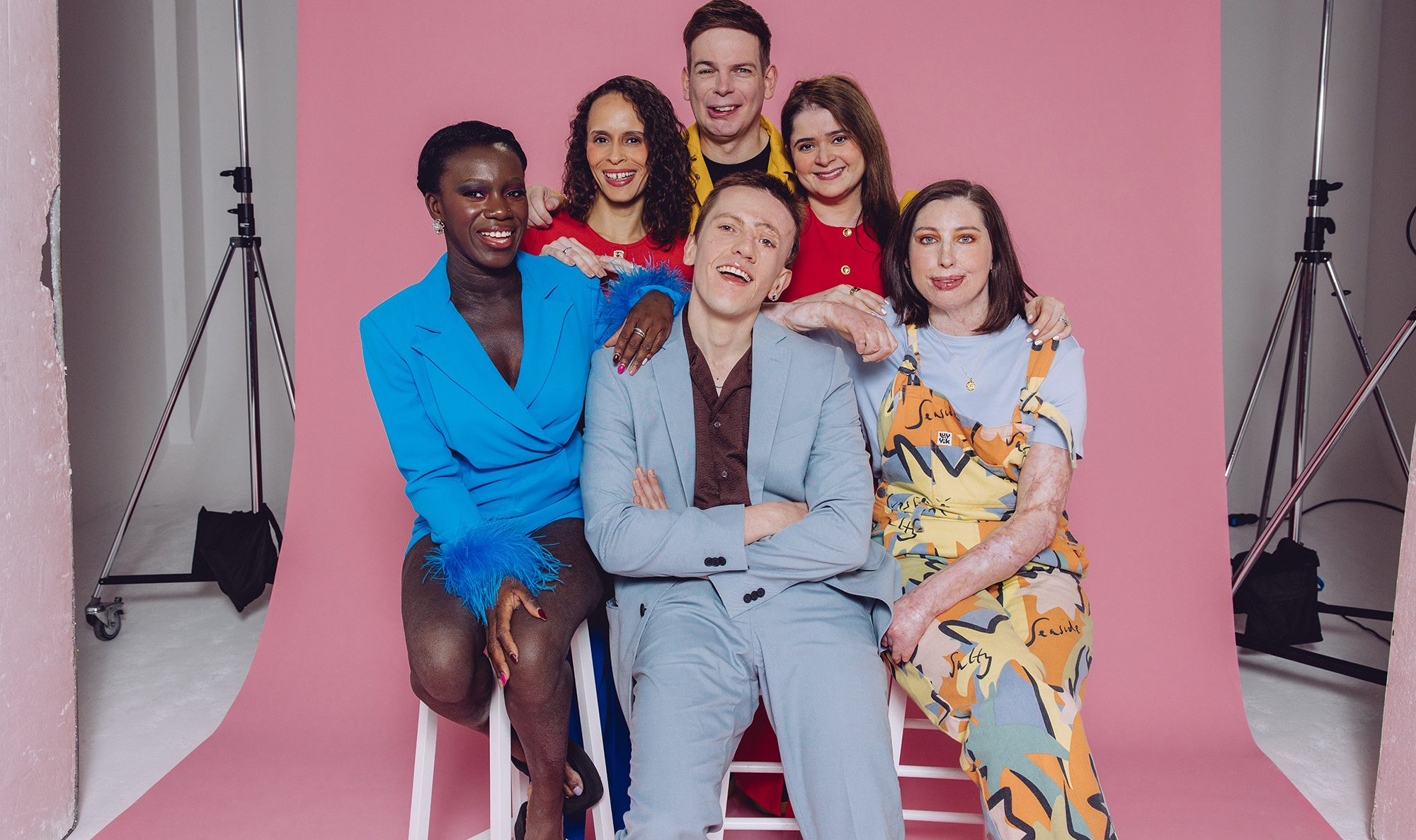
Every Halloween, scars, burns and facial differences are used to make characters look frightening. Now we know the harm goes further than offence. New research by the Centre for Appearance Research at the University of the West of England tested this directly.
Sign the petition
What the research shows
In a randomised controlled trial, conducted by the Centre for Appearance Research (CAR), 103 people watched positive, negative or neutral portrayals of people with visible differences. Those who saw villainous portrayals showed a significant rise in appearance-related stigma, such as saying they would be more likely to stare. Positive and neutral portrayals had no such effect. The study, published in the British Journal of Health Psychology, is the first evidence that negative media portrayals directly damage real-world attitudes to visible difference. And those portrayals are still far too common.
Changing Faces research shows that:
- 39% have seen someone who looks like them cast as the villain
- 20% have seen someone like them cast as the hero
- 15% have seen someone like them cast as the love interest
- 61% of the public say they want to see more people with visible differences represented in popular culture.
More than 4.9 million people in the UK have a visible difference. They deserve to see themselves as heroes, friends, parents and love interests, not just the villain.
Building on I Am Not Your Villain
Our petition continues the work we began with I Am Not Your Villain. That campaign called on the film industry to stop using scars, burns and marks as a shorthand for villainy, from Darth Vader to Scar in The Lion King.
Our supporters shared our film and spoke out. The British Film Institute became the first organisation to back the campaign, committing to stop funding films that use scars or facial difference to signal negative characteristics.
We’ve come a long way since then, but the stereotype hasn’t gone away. Now we have the evidence to show why it matters, and we’re taking our call beyond film to TV, streaming and casting.
What we’re asking for
Our petition calls on broadcasters, streamers, casting directors and the wider screen industry to:
- Tell more positive, nuanced stories. Cast people with visible differences as heroes, friends, parents, love interests and ordinary people, to balance out decades of villainous stereotypes.
- Measure representation so real progress can be made. Collect data on how visible difference is portrayed on screen, and use it to drive change.
The public is with us: 61% of people say they want to see more people with visible differences represented in popular culture.
Actors Robert Rhodes and Beau Bradfield are among the first to sign.
“We can’t wait for action any longer. The media industry needs to start reflecting the true experience of people with visible difference – yes there is often trauma associated with a scar, but we experience joy, love and success just like everyone else. More neutral and aspirational characters on screen will improve real perceptions of the whole visible difference community.”
Robert Rhodes (he/him), actor (Silent Witness, 28 Years Later, House of the Dragon, The Rapture)
“As an actor with facial scarring, I know how important it is to see people with visible differences represented on screen as real, complex people. I want children growing up with visible differences to see characters who look like them being heroes, friends, parents and love interests – not just villains.”
Beau Bradfield (they/them), actor (Malory Towers, Sex Education)
“For years we’ve asked the industry to think about the stories it tells about visible difference. Now, for the first time, we have proof that those stories don’t stay on screen – they shape how people with visible difference are treated in real life. Halloween is the moment this is impossible to ignore, which is why we’re asking industry, and the public, to help us change it.”
Louise Wright (she/her), Chief Executive, Changing Faces
Take action this October
It takes less than a minute to add your name, and every signature makes our call harder to ignore.
- Sign the petition. Add your name and tell us why fairer representation matters to you.
- Share it. Post the petition link on social media or send it to friends, family and colleagues. Around halloween is the perfect moment to start the conversation.
- Watch and share our film. Remind people why this matters with our I Am Not Your Villain film.
- Stay in touch. Sign up for updates to hear how the petition is landing with the industry and what comes next.
Visible difference isn’t a costume or a shorthand for evil. Help us create a future where people who look different are seen in every kind of role.