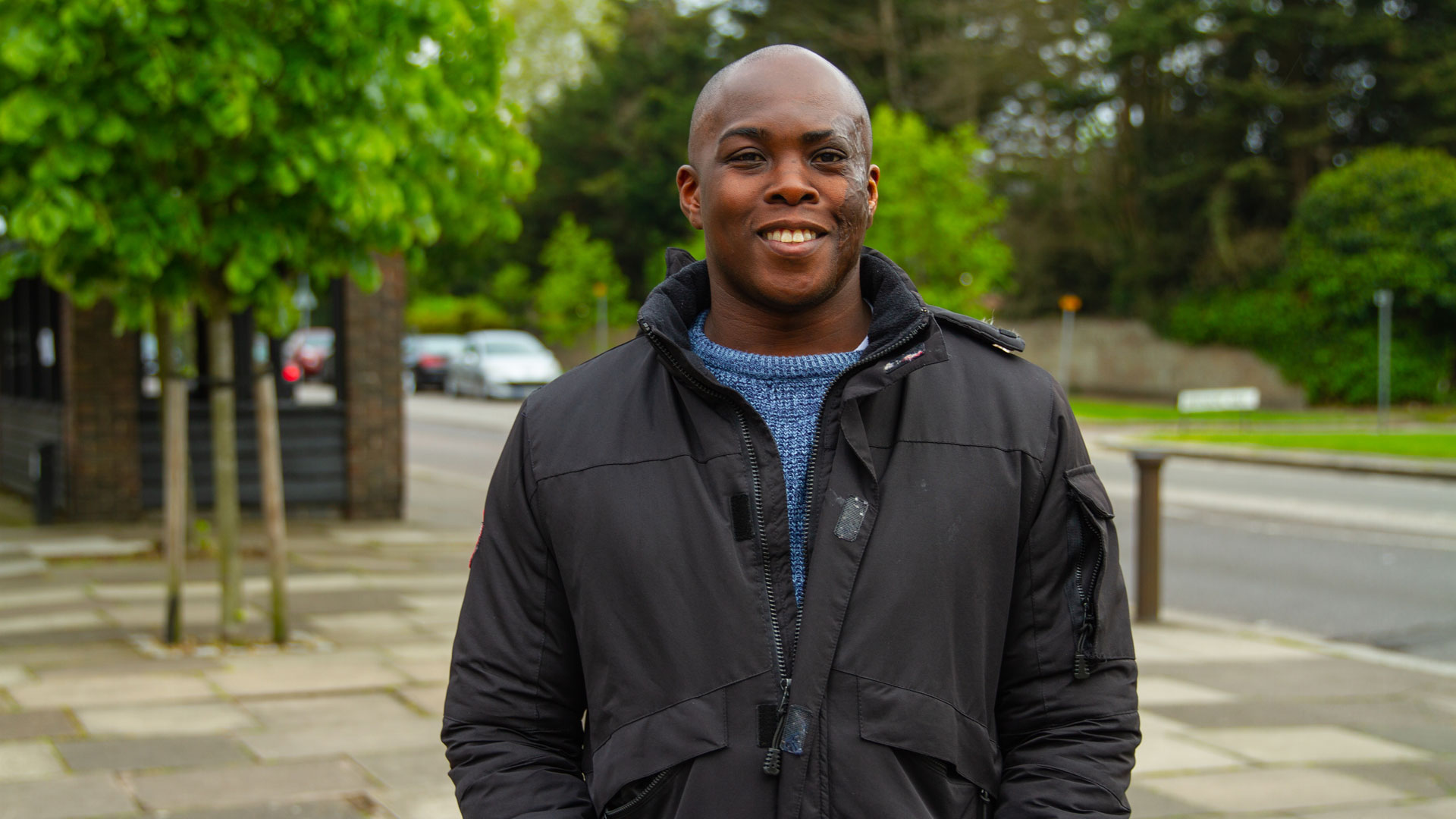
I was born with facial palsy, so I know first-hand the challenges of growing up with a visible difference. From struggling to smile to learning to speak later than most, my appearance deeply affected my confidence, my relationships, and my sense of self-worth. I spent much of my childhood in speech therapy and plastic surgeon consultations, trying to make sense of whether I should change how I looked, or accept it.
For a long time, people’s stares completely consumed me. When I was younger, I became anxious in public because I constantly felt watched. A stare from a stranger could ruin my entire day and stay in my mind long after it happened. The comments were even harder because they cut much deeper and reinforced the feeling of being different.
I allowed those reactions to dictate how I saw myself. I avoided situations, overthought every interaction, and carried a lot of insecurity that people around me probably never realised. But as I’ve grown older, I’ve learned that if you give those comments power, they will continue to control you.
What changed for me was accepting that my visible difference is part of who I am, not something I should apologise for. Most of the staring or comments come from a lack of understanding rather than genuine malice. People often react to what feels unfamiliar to them. Once I stopped measuring my self-worth through the eyes of strangers, I began to feel far more comfortable in myself and far less affected by the opinions of others.
What I once saw as my biggest weakness has become one of the things that has made me stronger, more resilient, and more empathetic towards others.
What ultimately helped me to make peace with my face wasn’t just the emotional work, it was the decision not to undergo a surgery that would have taken a nerve from my leg and left me unable to run. That moment stayed with me.
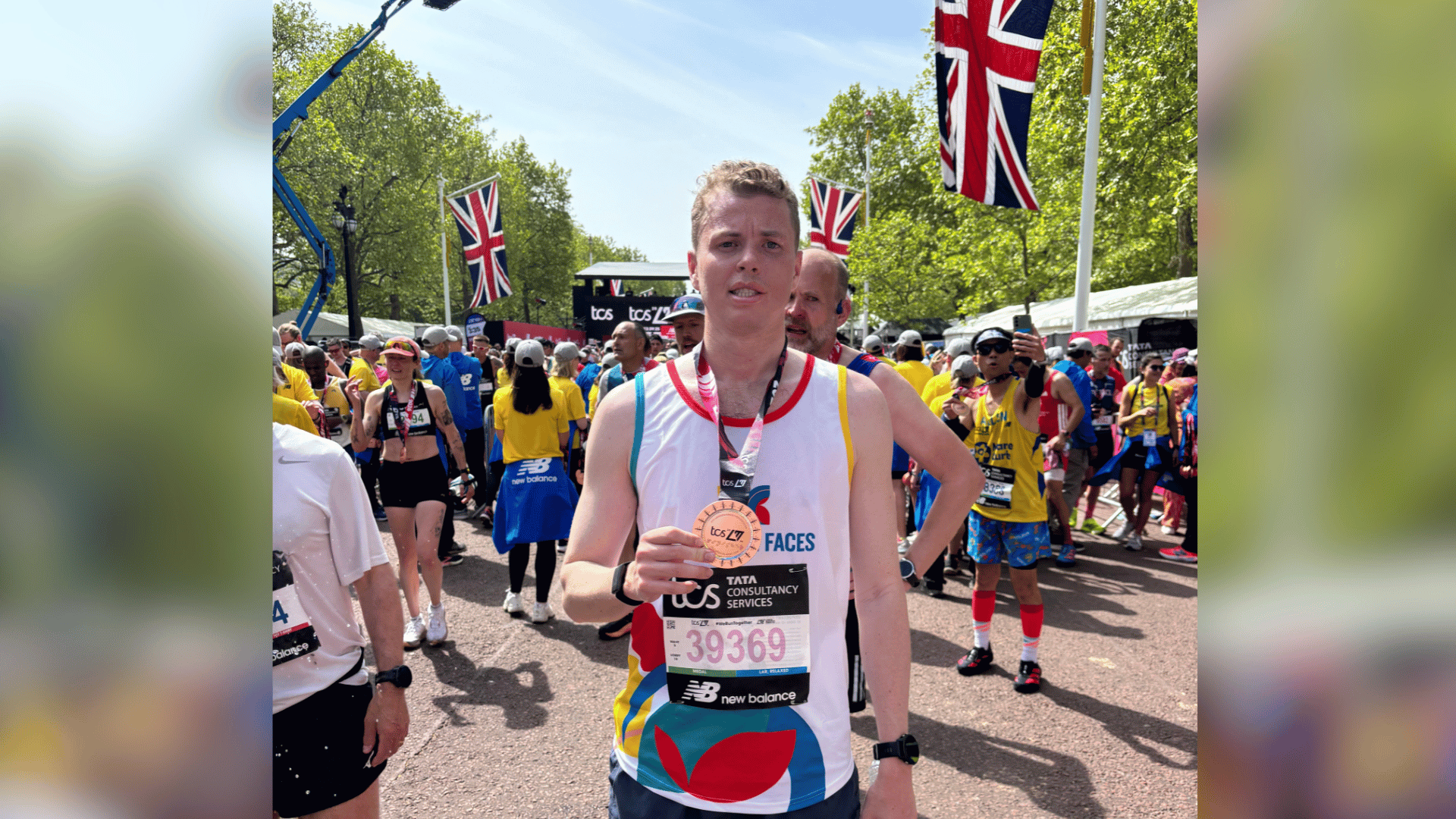
It’s one of the reasons that I wanted to run the London Marathon, for everyone navigating life with a visible difference, facing decisions like that every day.
My goal for the London Marathon wasn’t only to raise money, but to inspire empathy, awareness, and lasting change in how we treat each other. The marathon was honestly one of the best days of my life. I’ve never experienced an adrenaline rush quite like it. The atmosphere, the crowds, and the sense of togetherness were incredible from start to finish.
What made it especially meaningful was seeing all the different charity tops and hearing the reasons people were running. It really put into perspective how powerful events like that can be and how many lives they touch. Everyone was carrying their own story, their own motivation, and it created such an inspiring environment to be part of.
Crossing the finish line was emotional, not just because of the physical challenge, but because it felt like being part of something much bigger than yourself.
I’d like to do more running in the future. It’s become something that means a huge amount to me, not just physically, but mentally as well.
I’ve completed a few ultra marathons in the past, and I’ve always been drawn to the battle that comes with endurance running. There’s something about being in that fight that I find strangely calming and deeply introspective. When you’re pushed to your absolute limits, everything else fades away and you’re left with a very honest battle between your body and your mind. Oddly, that’s where I feel most calm. Ultra running has taught me resilience in a way nothing else ever has.
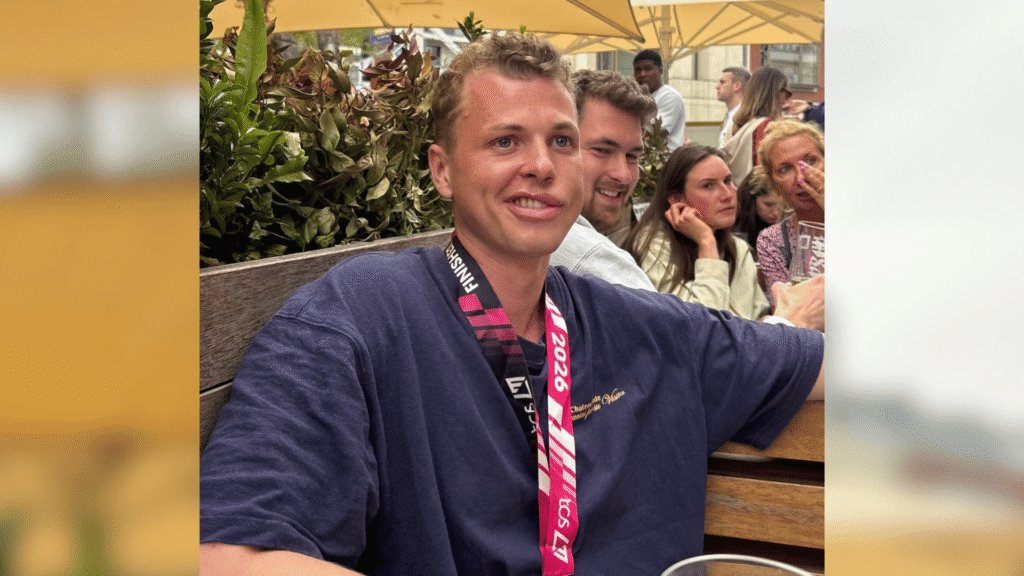
Running has become Jack’s solace
I’m lucky to have supportive family and friends who always told me never to apologise for how I look and to never let it hold me back. But I know not everyone has that kind of support. That’s why Changing Faces means so much to me. It’s taken me 27 years to feel ready to speak openly about my story. Now, I want to raise awareness, celebrate difference, and support those still on their journey.
The best advice I was ever given was from my father to “own it,” but the truth is that took me years to understand. For a long time, my visible difference completely damaged my confidence and affected me mentally more than I ever admitted out loud.
It’s only more recently that I’ve been able to see it differently. What I once saw as my biggest weakness has become one of the things that has made me stronger, more resilient, and more empathetic towards others. The moment I stopped treating it as something negative and started accepting it as part of my identity, everything began to change.
To anyone struggling, I’d say this: your confidence will not appear overnight, and that’s okay. Acceptance is a process. But the more you stop hiding from yourself, the more freedom you gain. The things that make you feel different today may eventually become the things you are most proud of. You deserve to take up space in the world exactly as you are.
I believe that it’s vital to start conversations that make people stop and think. Over the years, small moments of kindness from friends and strangers, even just a few words, have had a lasting impact on me. I remember them all vividly. I truly believe that if people understood how much those small acts can mean to someone living with a visible difference, they’d be more mindful and more willing to offer them.