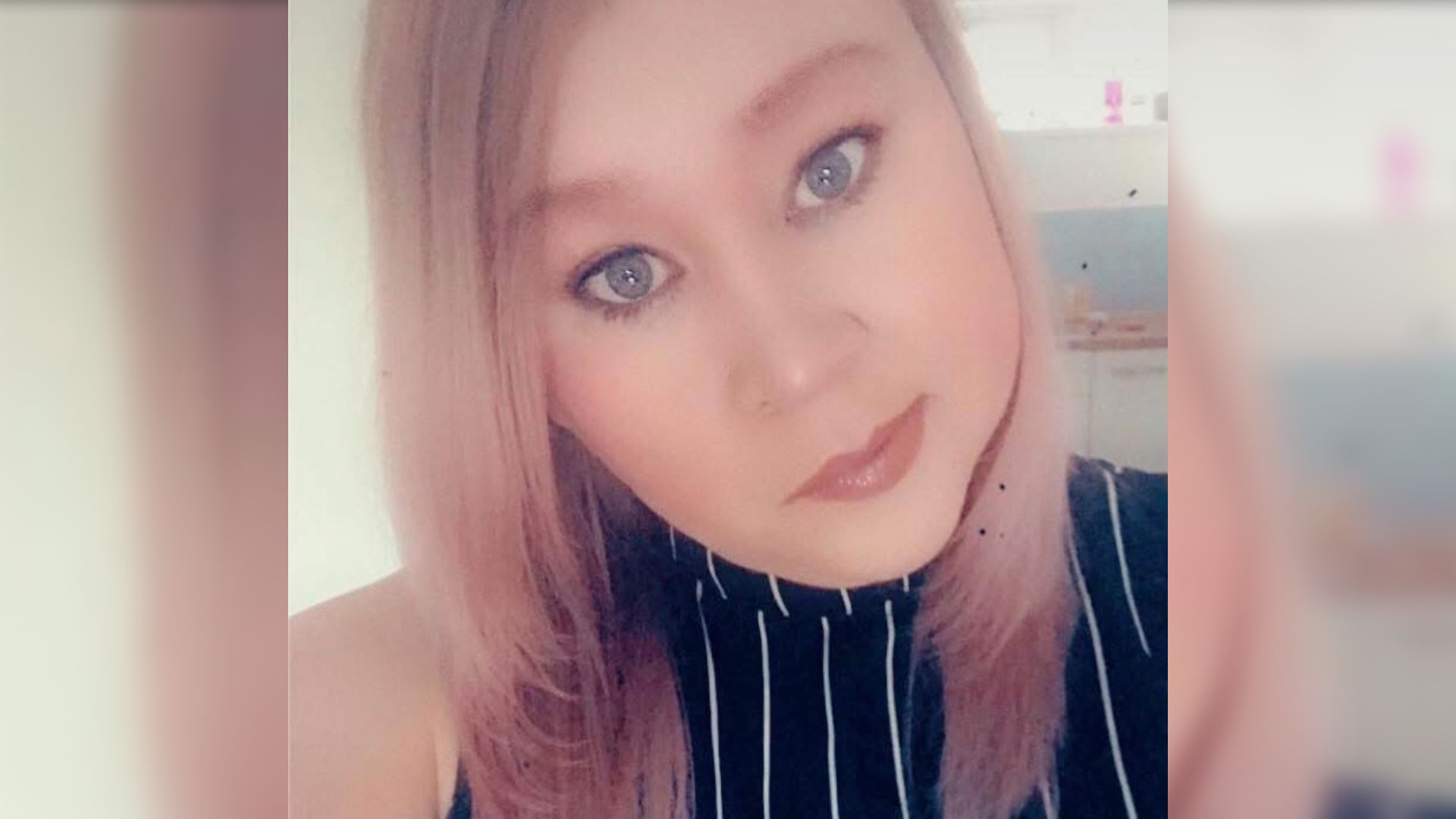
I’m Leah and I live with a condition called Functional Neurological Disorder (FND).
When I was 30, I had a hemiplegic migraine and lost feeling in the right side of my body, causing paralysis and drooping on the right side of my face. This went on for months, and I was in and out of hospital until I was diagnosed with FND.
The condition affects my brain, so it struggles to send signals to my body. When the spasms and paralysis happen, there is nothing I can do to stop it. I simply have to get on with things, which can be hard. Not only do the spasms affect my appearance, but they also impact my ability to speak, eat and generally function. I also get migraines monthly which can make the condition worse.
I lost a lot of confidence around going out and speaking to people. I’ve noticed people staring or avoiding me, which has made me more self-conscious. People often assume that I’ve had a stroke, or ask me, “what’s wrong with your face?” and “what happened to you?”. It can feel very intrusive when people do this. When I’m trying to speak, I also get people trying to guess what I’m going to say rather than listening to me and letting me finish.
People need to be able to access effective support quickly, so that they aren’t left feeling alone as they struggle to come to terms with the condition.
FND isn’t an uncommon condition in the UK, but it is not well known, and treatments aren’t always easily available. People can often be left waiting for help to manage their condition.
Over the last year, I have become more comfortable in myself, but it is an ongoing process, particularly relating to my speech. I can now walk better but I have never had the same strength in the right side of my arm, and my face still changes constantly. FND is a fluctuating condition, which can make it challenging to adapt to. It can feel like a vicious cycle of identity loss.
I want to share my story to raise awareness of FND and the impact it can have on a person’s everyday life. People need to be able to access effective support quickly, so that they aren’t left feeling alone as they struggle to come to terms with the condition.
Speech therapy and cognitive behavioural therapy have helped me to push through and keep me thinking in a more positive way to conquer the obstacles in my life. This has helped me to have a better outlook for the future. I encourage anyone with a visible difference to speak openly about their experiences, and to not be afraid to be themselves.