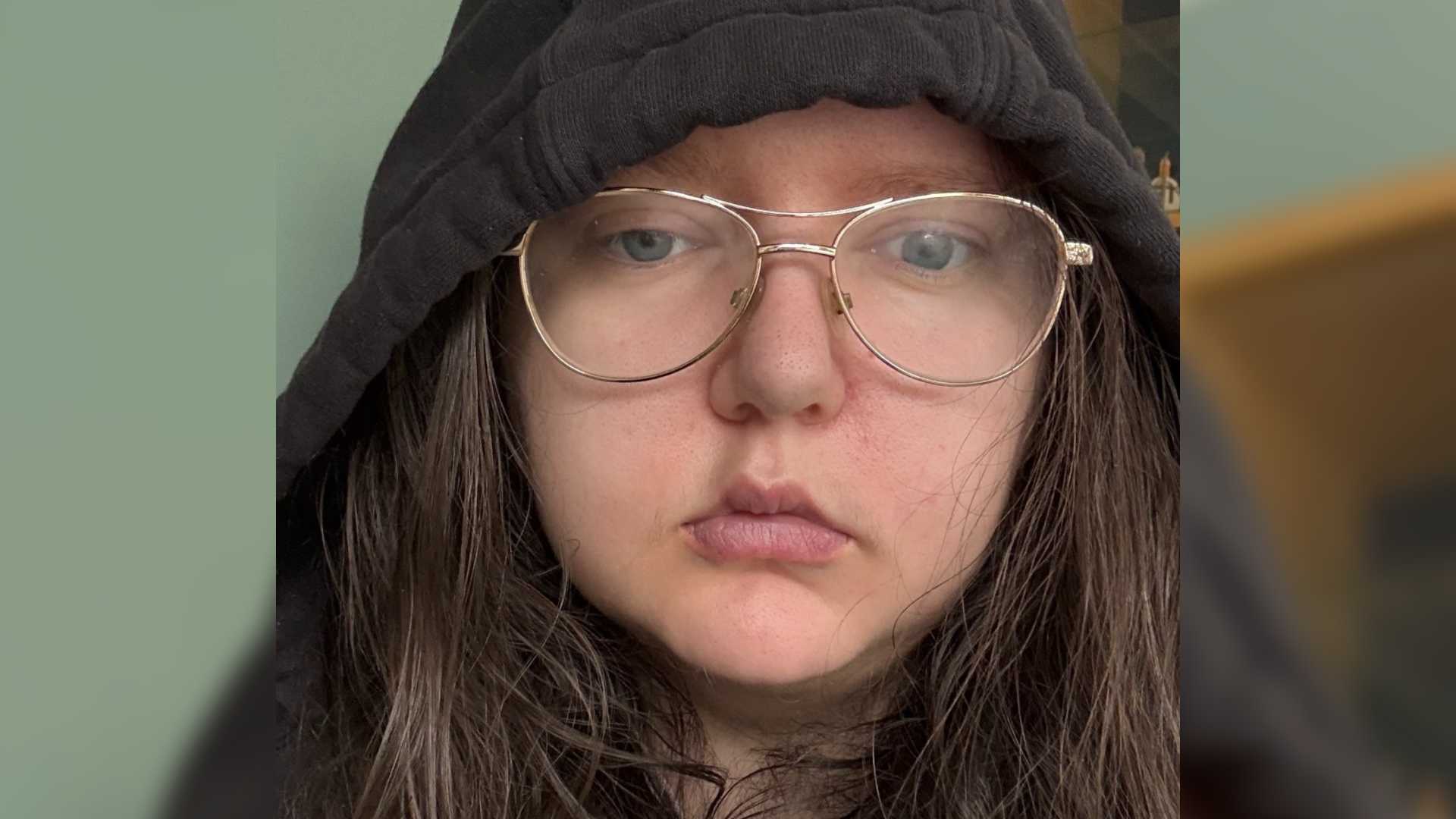
I developed facial palsy when I was a child, maybe about eight years old. From what I can remember, I was treated badly by other children in primary school as soon as I acquired my visible difference. Even some teachers said nasty things, and there was a distinct lack of support for me. It was very isolating. Even at such a young age, my mental health suffered from the negativity I had to endure.
I often felt singled out by teachers for looking different. Their treatment of me further “othered” me from the rest of my peers. I wish I’d been better supported, so that I could’ve felt less alone during school. There needs to be much more education around visible differences in school for both pupils and teachers. No one should be bullied or left out for the way they look.
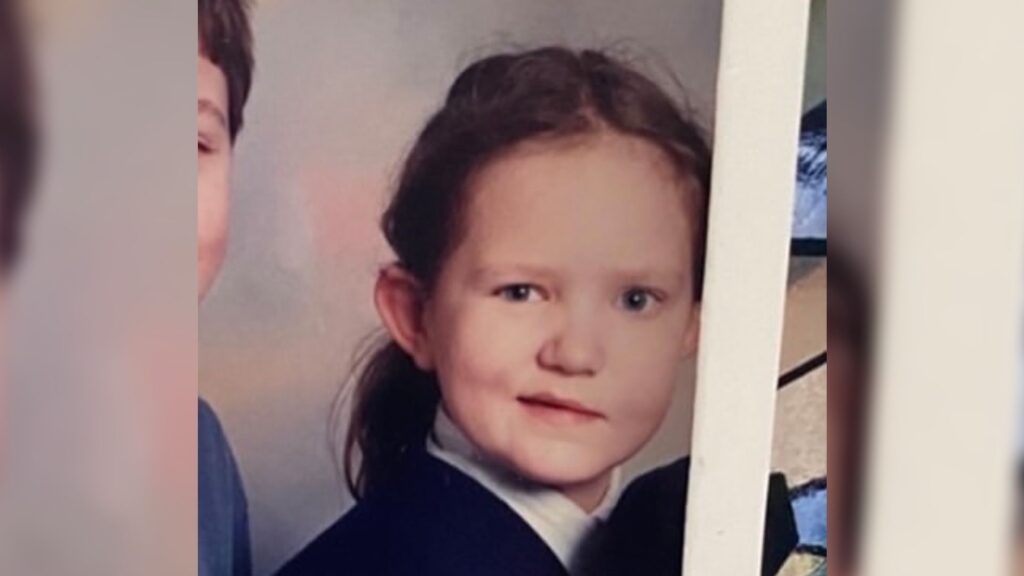
Beth felt isolated at school because of her facial palsy
High school was a particularly tough time for me, as not only was I bullied for having a visible difference, but I was also bullied for being LGBT. I felt like there was no safe space for me, and was pushed out of different communities that I thought I would belong in. The only place that truly accepted me was the disability community.
I hoped that higher education would be an easier period of my life. When I got into Central Saint Martins for university I was thrilled, but I also had been recently diagnosed with facioscapulohumeral muscular dystrophy. This causes me to have facial weakness along with the facial palsy.
I tried to see what operations were available, but it became clear that it would have been more beneficial if I’d had an operation on my facial palsy before high school. Unfortunately, I didn’t have the correct support to do so, and nothing was offered to me at the time.
The more people understand these conditions, the less likely others will be to face the isolation and bullying that I went through.
My experience of the healthcare system now is quite a positive one. I’m well supported for both my physical and mental health. However, there was definitely a gap when I was growing up. Maybe if I’d been told more about my facial palsy throughout my childhood, I would have felt less like an alien.
Going forward, I’m trying to accept my appearance and work on being a successful artist. I create oil paintings and mosaics, and I’d like to move onto sculpture. Art has really helped me with my mental health, it’s been a form of self-care – I find painting quite therapeutic. It gives me time to reflect and learn to be patient with myself, which is such an important skill to learn. I feel more confident now than I have in years.
I’d love to use my newfound confidence to be a content creator and raise awareness of facial palsy and muscular dystrophies. The more people understand these conditions, the less likely others will be to face the isolation and bullying that I went through. I’m saving up for a camera right now, so fingers crossed I’ll be able to get started on that goal soon!