
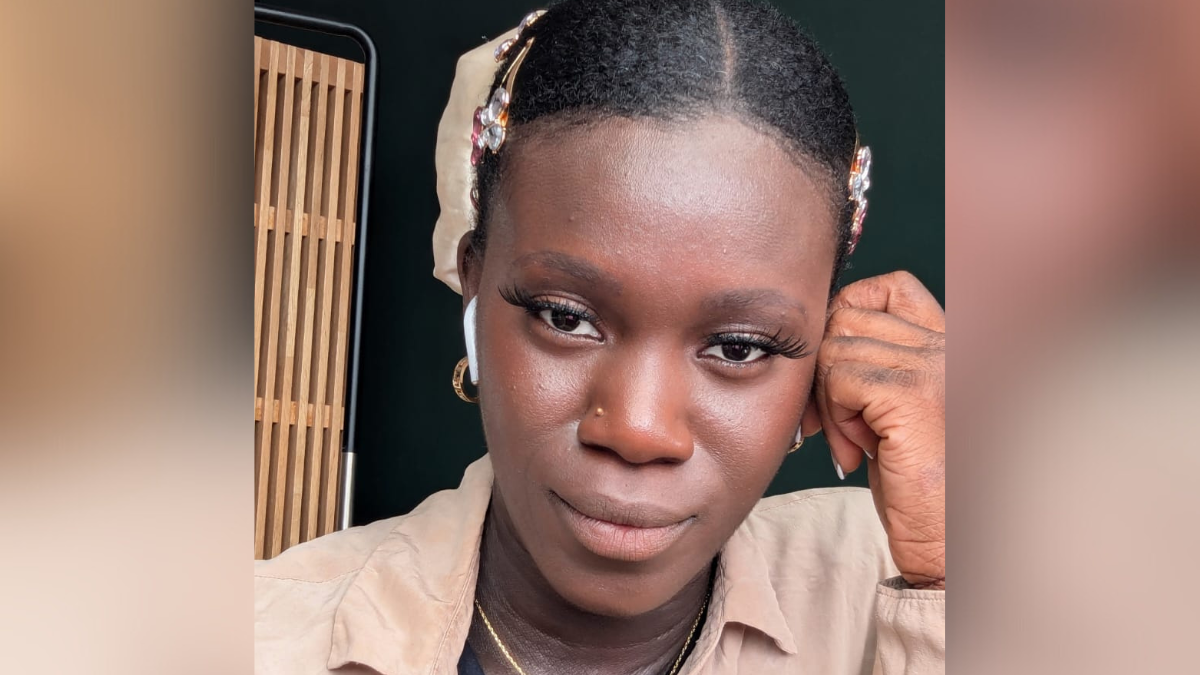
Why summer with eczema or topical steroid withdrawal (TSW) can be challenging
I’ve had a hit-and-miss relationship with summer. There have been years where the warmer weather soothed my skin, allowing it to breathe and calm down. But other times, the combination of heat, humidity, pollen, and sweat has caused flares, heat rash, and increased irritation.
Dry, hot air, especially in low humidity or continental climates, tends to leave my skin feeling tight, inflamed, and prone to cracking. Direct sunlight and high UV exposure can also be harsh, triggering both flare-ups and post-inflammatory hyperpigmentation. The truth is, my skin struggles with extremes – both cold and hot, so the key is always balance and protection.
But managing eczema in summer isn’t just about physical discomfort. It’s also about visibility. As temperatures rise, so do hemlines and sleeve lengths. For most, summer means light clothing and freedom. But for people like me, it often means exposing skin that doesn’t fit society’s narrow beauty standards. And with that, I’ve noticed an increase in stares, double-takes, and unsolicited comments during the summer months.
Do it scared. Do it flared. Itch doesn’t cancel joy. Flare doesn’t cancel fun.
Whether it’s discoloured patches, open flares, scarring, or dry, shedding skin, the looks can feel endless. Some are subtle, some linger too long. Others come with well-meaning but ignorant advice: “Have you tried Shea butter?” or “You should go gluten-free.” And then there are the comments that are just plain cruel or invasive.
Building confidence with visible eczema or TSW in summer
When I was little, I remember feeling self-conscious and embarrassed about some of the clothes my mum would dress me in for the hotter weather. Clothes that didn’t offer the coverage I desperately wanted. To avoid this, I started wearing my brother’s hand-me-downs. It felt easier to be seen as a tomboy than to be targeted because of my skin. Over time, this became a form of armour.
Since then, I’ve developed coping tools and confidence tools just to exist in the world without shrinking. One of the most powerful things that’s helped me is a personal mantra I created:
“Do it scared, do it flared. Itch don’t cancel joy, flare don’t cancel fun.” What this means is simple, but life-changing: I’m allowed to show up, even when I don’t look or feel my best.
Yes, I might be scared.
Yes, my skin might be flaring.
Yes, I might be uncomfortable.
But I refuse to let that stop me from experiencing joy, love, connection, and fun.
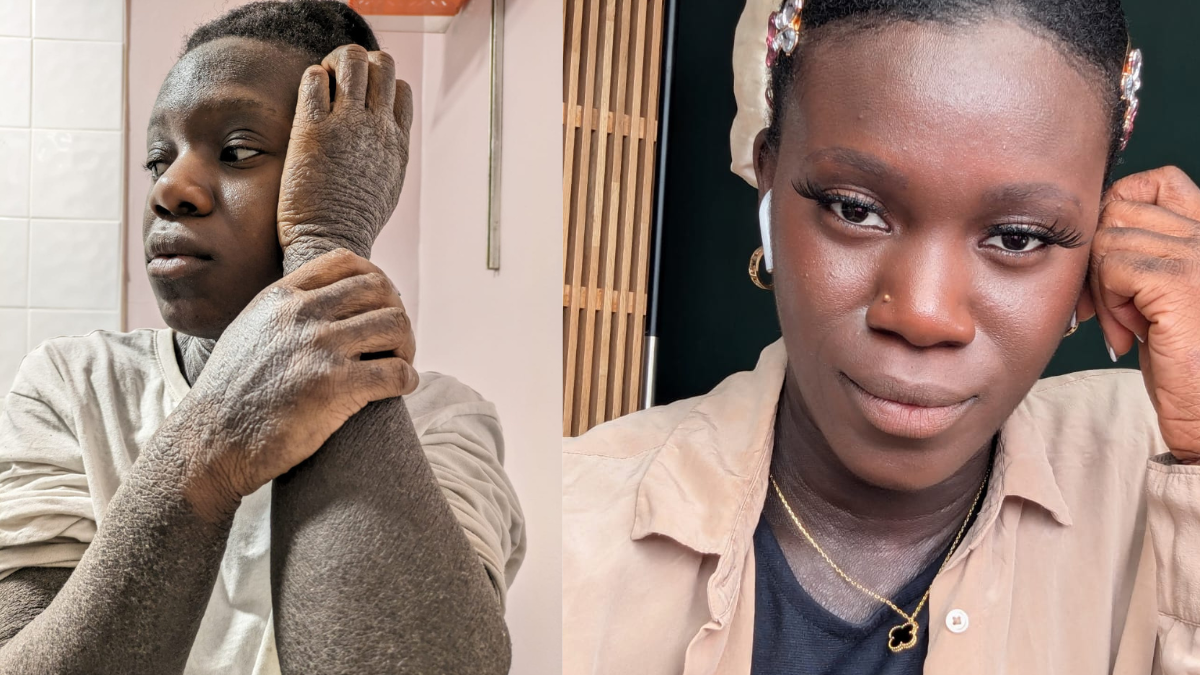
It took time, but I started to reclaim my right to take up space, visibly and unapologetically. I began dressing for the weather, not to hide. I stopped layering clothes out of shame. I started walking with my head high, even when my skin was at its worst.
Managing visible differences in public spaces is never easy—but it’s made easier when we have community, language, and personal empowerment. I remind myself that every scar, every mark, every flare tells a story – a story of survival, resilience, and self-compassion.
So to anyone feeling exposed this summer:
Wear the shorts.
Go to the beach.
Show up to the event.
Take the photo.
Do it scared. Do it flared. Itch doesn’t cancel joy. Flare doesn’t cancel fun.
Essential summer skincare routine for Eczema management
Hot weather eczema and TSW management requires a proactive approach to prevent flare-ups. I have built a toolkit that helps me stay cool and protect my skin.
My top five summer eczema management products
• Home air cooler for a breathable, temperature-controlled environment.
A home air cooler can help manage summer eczema flare-ups by reducing skin irritation caused by heat and humidity.
• Aloe Vera Gel for Soothing Irritated or Overheated Skin.
Summer with eczema often means dealing with overheated, inflamed patches of skin. Pure aloe vera gel is a gentle, natural remedy that helps cool the skin, reduce redness, and relieve itching. Especially helpful during eczema flare-ups in summer, aloe vera offers hydration without heavy oils that can trap heat and worsen symptoms.
• Medicated Mentholated Dusting Powder to Reduce Friction and Calm Inflammation.
Managing eczema in hot weather means tackling sweat and skin-on-skin friction – two major eczema and heat triggers. A mentholated, medicated dusting powder can help keep skin dry in high-friction areas (like underarms, behind knees, or inner thighs), easing discomfort and reducing the chance of heat rash eczema forming.
• Mini Hand Fan and Gel Packs for Instant Relief
When you’re out in the sun, sudden overheating can trigger an instant flare. Keeping a mini hand fan or cool gel packs in your bag offers quick relief and helps regulate your skin temperature. This is especially useful for those going through topical steroid withdrawal in summer, when skin may be hypersensitive and reactive to even minor temperature changes.
• Loose, Breathable Cotton Clothing to Reduce Irritation and Allow Airflow
Summer clothing for eczema should always be soft, breathable, and loose-fitting. Natural fabrics like cotton help with moisture, prevent chafing, and allow airflow – essential for avoiding eczema flare-ups and hyperpigmentation that can result from scratching or irritation.
Eczema confidence: Healing is More Than Skin Deep
While this toolkit helps me feel more in control during the summer months, eczema management is about far more than just what’s in your bathroom cabinet or backpack.
The bottom line is this: healing is personal. It doesn’t look the same for everyone, and we need to stop offering blanket advice, especially to people of the global majority, without understanding our full context. Whether you’re managing eczema or TSW, it’s not just about the weather – it’s about education, community, and access to the right kind of care. Unfortunately, chronic conditions like eczema and TSW deserve the same level of recognition and support as any other health issue. It’s time for society to stop minimising them and start taking them seriously.
Over time, I have learned to accept my skin in all its stages. I remind myself that my worth is not tied to how my skin looks on any given day. I have also found comfort in the eczema community – others who understand the reality of living with this condition.
If you want to follow my journey and learn more about eczema and topical steroid withdrawal, you can connect with me on Instagram and TikTok @eczemawithharrii.