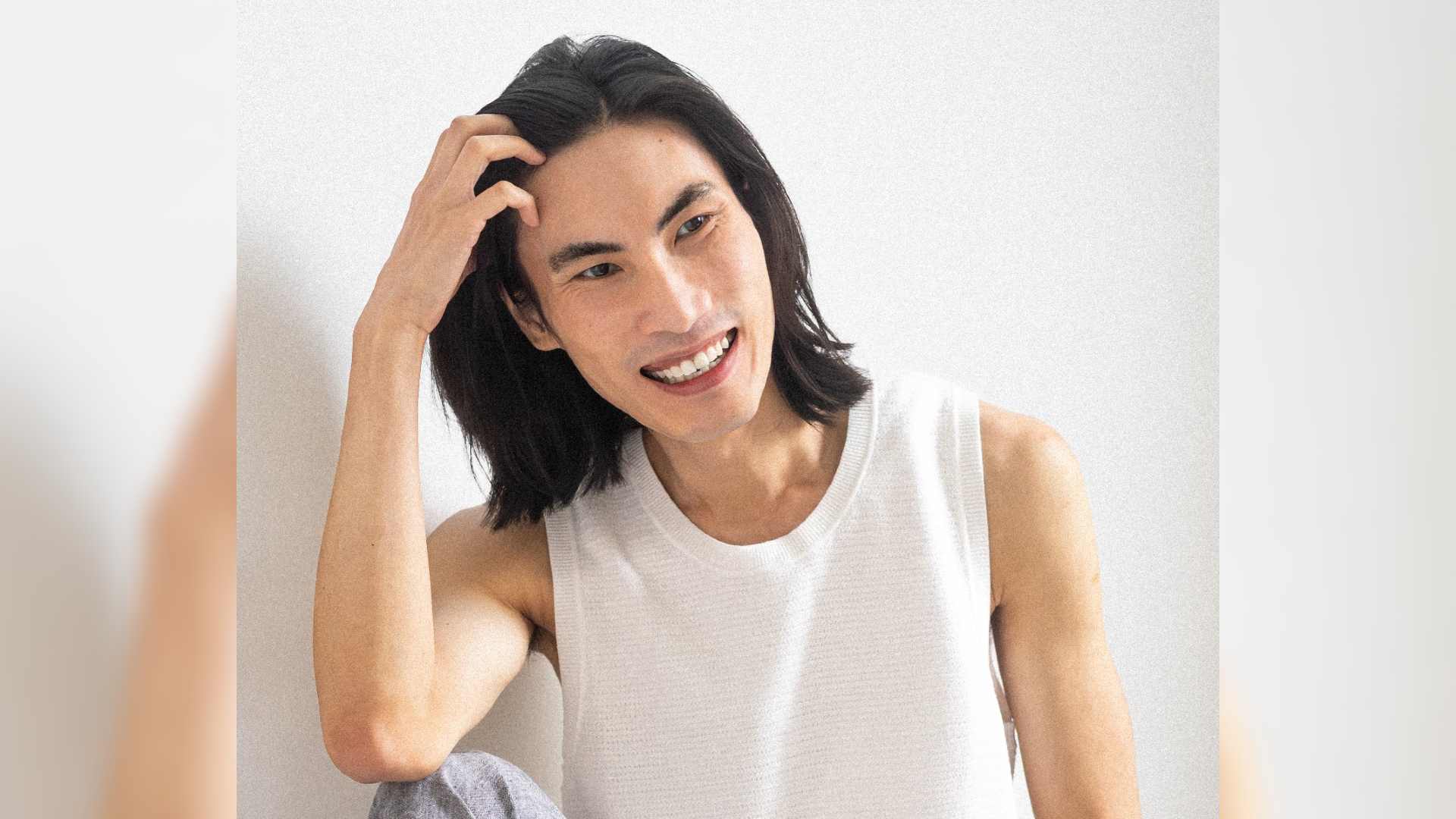
I’m Eli and I have scoliosis. Before my surgery, I never really thought deeply about my condition. Looking back, I realise I swept it under the rug. As a teenager, I felt embarrassed discussing my body, so I pretended everything was fine and hid behind loose clothes. I didn’t have the language for it then, but I carried a lot of shame and discomfort about how I looked.
After surgery, on top of the occasional discomfort, the instinct to hide continued. I avoided showing my scar at the beach, pool, or while changing in public. Anytime my back was exposed, I felt vulnerable, both physically and mentally. Even after signing with a modelling agency that embraces diverse and underrepresented talent, I was still afraid of not looking “perfect” enough. That fear affected my confidence more than I wanted to admit, and it made me realise how much internal work I still had to do on accepting my body.
I love staying active because it is important with a fused spine. Strengthening my core is essential, and I like to think I’m relatively fit. But after surgery, I had to relearn basic movements. Even simple things like picking something up off the floor, putting on shoes or getting out of a car became things I had to think about. One wrong fall can leave me in pain for about two weeks.
While I have never had anyone treat me inappropriately because of my scoliosis, before I was diagnosed, people did point out that I wasn’t standing straight. I thought I was just leaning more on one leg and shrugged it off. Eventually, that prompted me to get checked and ask my parents for help, which led to my diagnosis. Before that, I had my suspicions and had to Google everything myself, as I had never even heard of scoliosis.
Look after yourself, be kind to your body and your mind, and know that you are allowed to take up space exactly as you are.
Over time, I’ve learned to explain my condition to people, as they might not realise that I have a fused back. For example, once an acquaintance casually jumped on my back, which caused a flare-up that lasted for about two weeks. Experiences like that remind me to be mindful and set boundaries, even in casual situations.
Having a visible difference has held me back at times, but modelling has pushed me to confront many of my fears. The anxiety of being judged was strong. It held me back because I thought very lowly of myself. Even when I was booked for jobs, I often felt unworthy. I worried about my scar and my asymmetry and whether they would be a problem. I used to think, “Why me, when everyone else on set looks perfect?” It affected my performance because I would carry that insecurity with me. With much reflection, I’m learning to work through it. It has been a deeply introspective process.
Growing up in an Asian household, mental health was not something we talked about. As such, I never got professional mental health support, which I think I would have benefitted from. This is why I started sharing openly. I discovered how important it is to talk about the human experience. It is my way of going against the grain and unlearning the idea that we must keep everything inside.
I used to blame myself and wish I could be “normal.” Even earlier this year, I looked in the mirror and saw my asymmetry. It might not be noticeable to others, but inside my head, the negative self-talk was loud. As I grew older, I realised that if I did not have scoliosis, I wouldn’t be on this path at all. Self-love and self-compassion are so important. Look after yourself, be kind to your body and your mind, and know that you are allowed to take up space exactly as you are.
Taking part in the ‘Living with Scoliosis’ documentary created by Scoliosis Support & Research, and now being featured here on Changing Faces’ platforms has been therapeutic for me. I hope it helps younger people find space to express themselves and feel safe enough to appreciate who they are as individuals.

Eli was able to open up about his scoliosis in the documentary
People don’t talk enough about scoliosis, which is why I was so keen to be involved in ‘Living with Scoliosis’. When people hear the word, they either know what it is and brush it aside or they simply aren’t interested. Many people have it, and it can be subtle, especially after fusion, so it goes unnoticed. People living with scoliosis might also shy away from sharing their discomfort with their body, which is totally understandable.
I have spoken to people with mild scoliosis who have said to me that it’s “not that bad”, but the physical and emotional impact is very real to many others. Taking part in the documentary mattered to me because I wanted to be part of something that brings awareness to that reality and encourages more open conversations.
Looking ahead, I hope to see more representation of visible difference in the media. People come in all shapes, forms and bodies, and that deserves to be seen. I want to continue sharing my experience with scoliosis and find creative ways to contribute to the community, especially for young people navigating their identity while living with a difference. We can still achieve great things, stay active, and not let scoliosis define or limit us.
In fact, I woke up today with a stiff back, so I also hope the pain will be manageable as I get older. A bit of wishful thinking, but fingers crossed!
I feel grateful that I’m more comfortable opening up now. If my experience helps even one young person feel less alone, then everything I’ve shared is worth it.