
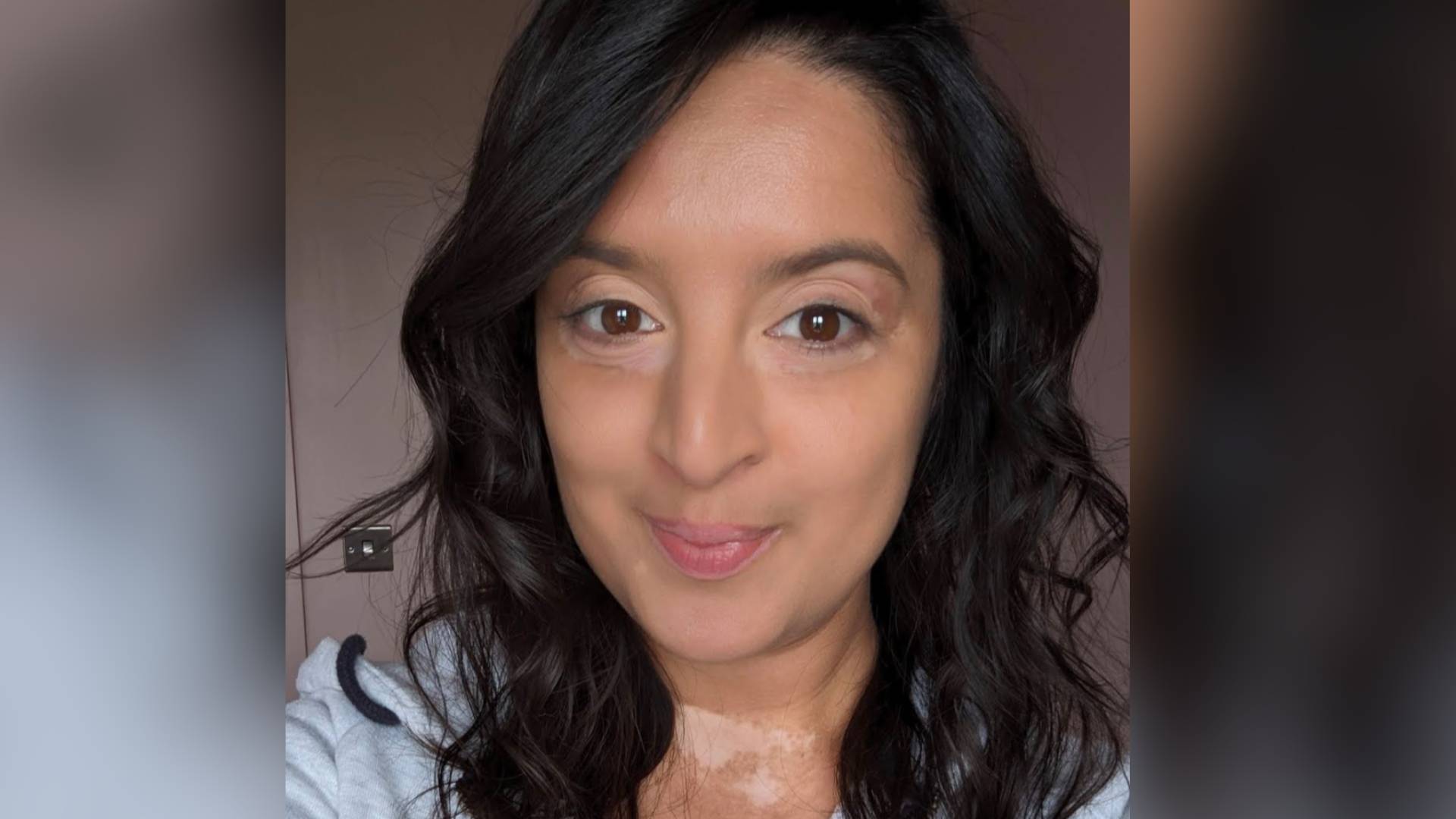
White patches on my skin are all I know. I’ve had vitiligo for as long as I can remember, so to me, it was just normal. I knew I looked a little different from everyone else, but, growing up, it never stopped me from making friends or pursuing the things I wanted to do.
Home life was great. My family never questioned my skin condition, but they did check that I was OK. When I pointed out a new patch, they’d often say they hadn’t even noticed and ask if I was alright. Eventually, I stopped bringing it up – not because they didn’t care, but because I felt that they couldn’t quite relate.
But I did notice it. I remember looking in the mirror at the white patches and asking myself “why me?” Nobody else in my family had them. Was I special? Cursed? What started around my eyes, almost like an inverted panda, gradually spread to other parts of my body, particularly my joints, elbows, knees and ankles. As more patches appeared, I started worrying that the vitiligo would keep spreading until I was completely white and looked even more different from my family.
I even became subconsciously afraid of hurting myself. Once, I scratched my skin and watched the area heal white. Was I making it worse? Then, I grazed a knee that was already white, only for the healed skin to look brown. I couldn’t make sense of it. I felt so out of control in my own body, but I didn’t tell my family because I didn’t know how to explain something I didn’t fully understand myself.
I was conscious of wearing T-shirts and shorts because the patches on my elbows and knees were so visible. But my mum always bought me the cutest outfits, and I was never brave enough to say no, so I wore what I was given! Looking back, I think that gave me a lot of my confidence.
As I’ve become more accepting of my visible difference, I’ve also realised how valuable it is to connect with other people who understand. Being part of Connect, Reflect, Grow – a Changing Faces group where people have different experiences, backgrounds, and visible differences opened my eyes to perspectives I might not otherwise have heard.
As I got older, things became more complicated. I became increasingly aware of how I looked and started comparing myself with people around me and with the images of ‘perfect’ bodies and faces I saw in the media. I don’t recall seeing Indian women with vitiligo represented in the British television programmes, films or beauty campaigns I encountered.
I’d love to see more South Asian women with visible differences represented – not only in stories about their skin, but as everyday characters who work, succeed, fall in love and simply live their lives. Our appearance doesn’t have to define our entire story. We’re so much more than our skin.
At university, I started experimenting with makeup. I tried foundation to even out my skin tone, but there weren’t many affordable options for darker skin tones, and it didn’t cover everything anyway. It rubbed off on my collar, and I was constantly applying SPF50 to protect the patches on my hands from burning. Ironically, trying to cover my vitiligo gave me more insecurities than I’d had before.
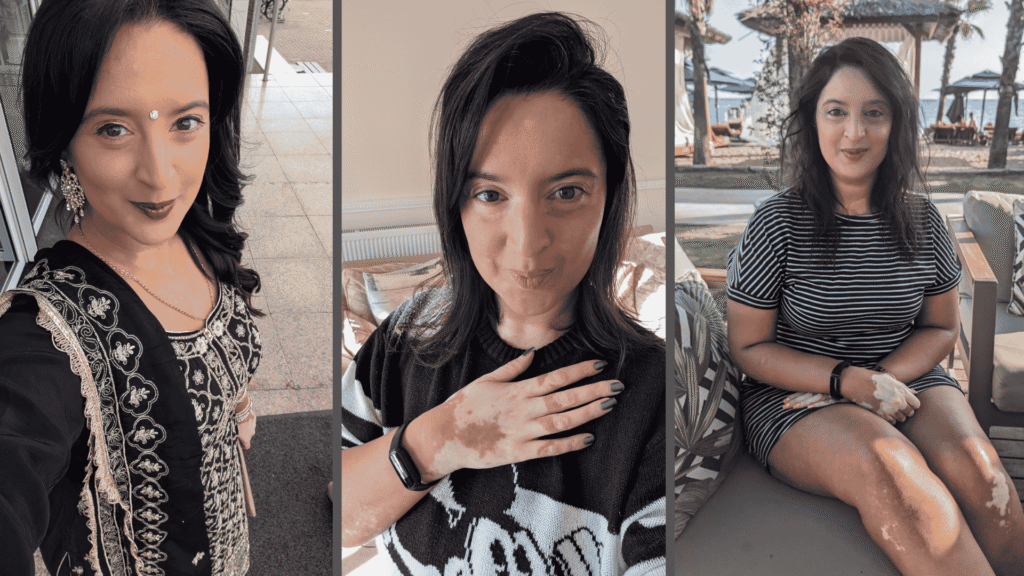
As a British Indian woman, Aman has experienced how cultural expectations and a lack of understanding about vitiligo can affect confidence.
Gradually, a little acceptance crept in. I couldn’t predict what my skin would do, which patch might grow or what colour it might become. So I focused on building a career, enjoying hobbies and travelling the world. I began to realise that my skin wasn’t stopping me from living. My CV was filling up, I was making new friends who didn’t care what I looked like, and I was learning so much more about the world.
As a British Indian woman, I’ve also experienced how cultural expectations and a lack of understanding about vitiligo can affect confidence. In parts of the South Asian community, there can be a lot of pressure on women to look “perfect” – slim, petite, fair-skinned, long-haired and quiet. I was far from that! I grew up in a loud, outspoken family, so home was never the problem.
But older people, particularly women, sometimes had plenty to say about my skin, appearance, clothes or personality. I was often given advice about how to ‘get better’, from herbal remedies and yoga to praying for my skin to return to its original colour. Vitiligo has also sometimes been wrongly confused with contagious conditions. It isn’t contagious- you won’t catch it by touching my skin.
I remember being out with my mum when we bumped into an older Indian woman she knew. I greeted her respectfully as ‘aunty’, but she looked at me and asked my mum, “What’s wrong with her?” My mum explained my vitiligo using the Punjabi term ‘phulwari’, meaning ‘flower-like patches’. The woman suggested it was caused by eating fish and milk together and said she would pray for me.
Makeup doesn’t equal confidence, and confidence doesn’t mean feeling happy all the time. I’m still doing the internal work, but I’m learning to accept myself, flaws and all.
My mum pointed out that we all ate the same meals, smiled awkwardly and hurried me away.
My family have always accepted my vitiligo, but moments like that stayed with me. As a child, I was taught to be respectful and ignore comments like these, and I became good at brushing them off. But I’d be lying if I said they didn’t sting. When you’re already questioning why your skin looks different, having people suggest there is something ‘wrong’ with you can make that insecurity even harder to shake.
Since turning 30, so much has changed. I’ve progressed in my career and become more focused on my goals and abilities. This year has been a turning point in accepting my appearance.
During the heatwaves, I got tired of worrying about my makeup melting and constantly reapplying sunscreen. So I ditched the makeup, dug out my summer dresses and went out to enjoy life.
Little Aman used to cover her knees because she felt uncomfortable; adult Aman wears short dresses because she has the confidence to.
I secretly braced myself for comments or uncomfortable stares, but decided I wanted to live fully and be true to myself.
I’m no longer shy about how I look, and I don’t feel I need to hide behind makeup. I still wear it for special occasions, and that’s OK, but in everyday life I’m happier letting my white patches show.
Makeup doesn’t equal confidence, and confidence doesn’t mean feeling happy all the time. I’m still doing the internal work, but I’m learning to accept myself, flaws and all.
As I’ve become more accepting of my visible difference, I’ve also realised how valuable it is to connect with other people who understand. Being part of Connect, Reflect, Grow – a Changing Faces group where people have different experiences, backgrounds, and visible differences opened my eyes to perspectives I might not otherwise have heard.
It was a safe space where I felt listened to, understood and able to have a voice. I learnt so much, not just about others, but about myself.
That’s what our Connect, Reflect, Grow groups are all about. Bringing people with visible differences together to share experiences, learn from one another, build connections and feel less alone. You don’t have to have all the answers or be at a particular point in your confidence journey. Sometimes, simply being in a space where people understand can make a real difference.
