
My name is Abi and I was born with a condition called lymphatic malformation (LM). I grew up in the Lake District, meaning that any chances I had of meeting anyone with LM were severely limited in my rural (but beautiful) community. Being treated at Great Ormond Street Hospital during my childhood meant that I saw a few people who looked like me, but I have still never met anyone my age with experience of my condition.
Having lymphatic malformation directed a lot of my childhood. I underwent various treatments, and although our tight-knit community knew me and never questioned my visible difference, I was terrified of meeting new people. I was already a shy child and when new children would join my school and eventually ask questions about my face or my ear, I could never answer them in the way that I would have liked. I am lucky that I did not face much bullying because of my difference, but I was never without teasing in primary school by certain kids.
Two of three major operations happening before I was 13 meant that my visible difference was largely reduced before I got very far into secondary school. Swept into the teenage world of suddenly becoming conscious of how I looked in all ways, I resented my visible difference for the additional mental battles it presented me with. My self-consciousness became so engrained that it is still something I face every day.
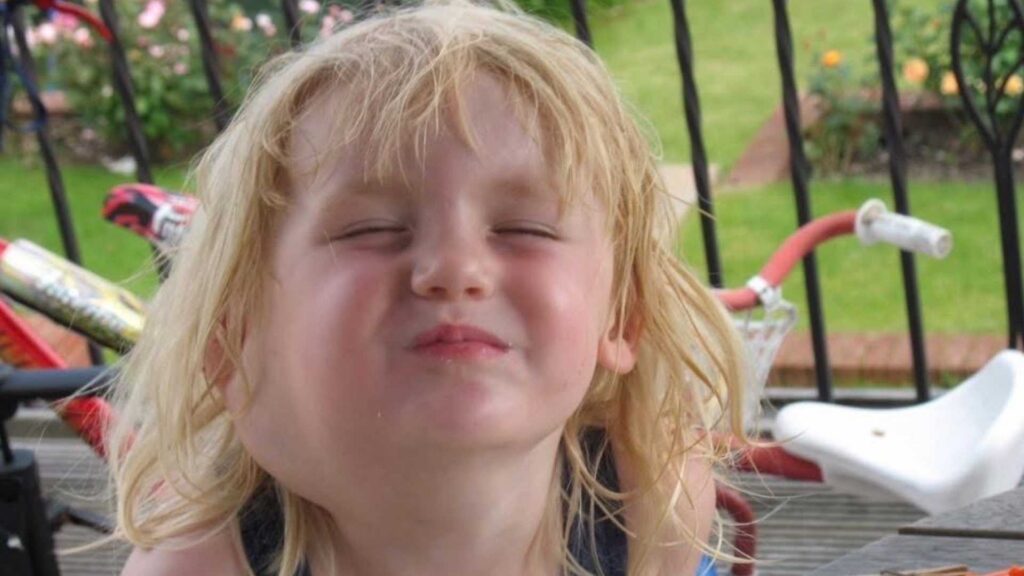
Abi found it difficult to answer questions about her lymphatic malformation as a child
I wasn’t allowed to wear my hair down at school which was a major point of anxiety, and the hundreds of other kids surrounding me were a reminder every day that I was different. One great thing I began to face though was my shyness. I started to challenge myself and by Sixth Form I had made myself a part of many school clubs and even became Head Girl by my final year. I couldn’t have changed in this way without the amazing help of my school counsellor who supported me endlessly and taught me who I am outside of my condition.
I think my visible difference is a strange case in that it’s not as noticeable as it used to be, so doesn’t attract the same attention, but it still impacts my life as if it had never changed. At 18-years-old, I finished school and moved to attend the University of Sheffield where I still study today. I’ve benefitted so much from seeing more diversity around me, although I still know that I am perhaps the only person in the city with lymphatic malformation.
Being a chronic condition, LM is largely unpredictable, and doctors are still learning about it every day. I am now 21 and face more frequent flare-ups and hospital visits. My condition has become a bigger part of my life again, but this time I’m learning how to build a life with it and force my busy brain into patterns of rest when I need it. I’m surrounded by incredible friends who support me through everything in a city I love so dearly.
I have always wished that there was better support at school for me, especially at primary school. I was lucky enough that, with my secondary school counsellor, I learned to speak about my condition in a non-medical way and reveal how it was affecting me socially, which I wish I had the tools to do in primary school. I would love to see better developments for the mental health side of living with difference, especially in rural areas, and for people like my younger self to know that they are not alone.