
A few years ago, I went to a Halloween party dressed as someone from a 90’s teen movie. It was a pretty low effort costume, with minimal makeup, as I’d just finished a busy shift in a hospitality job. I looked like I do on an average day.
I’d not been at the party for long when someone I’d just met tried to compliment me on what they thought was a prosthetic nose. My reaction told them that it wasn’t, and they were horrified when they realised their mistake. Their words might not have been meant maliciously, but it didn’t make what they said any less hurtful.
I was born with a cleft lip and palate and underwent eight operations while growing up. Unpleasant reactions to my visible difference are something I’ve had to deal with throughout my life, but this specific example shows how challenging the Halloween season can be for the community.
Our everyday features are taken as inspiration for a night of horror. You only have to look in Halloween stores and on social media to see how scars are used to turn people into any number of scary characters from pop culture. This person saw my face and thought it must be something temporarily crafted to scare people at a party.
“Media reflects our society back at us and shapes the conversations we have, both individually and collectively.”
This association can be so harmful because it’s generally unrecognised. Otherwise well-meaning people have had decades of this trope being repeated in films and media without even realising the way that it has altered their views. After I posted about what had happened on Instagram, friends got in touch to say they had never thought to question it but could now see it everywhere.
New research conducted by the Centre for Appearance Research (CAR) at the University of the West of England shows that people who are exposed to visible difference via negative villainous characters in the media go on to have a more negative perception of people with visible difference in the real world. This is the first time evidence has directly shown the damage that negative media portrayals can do.
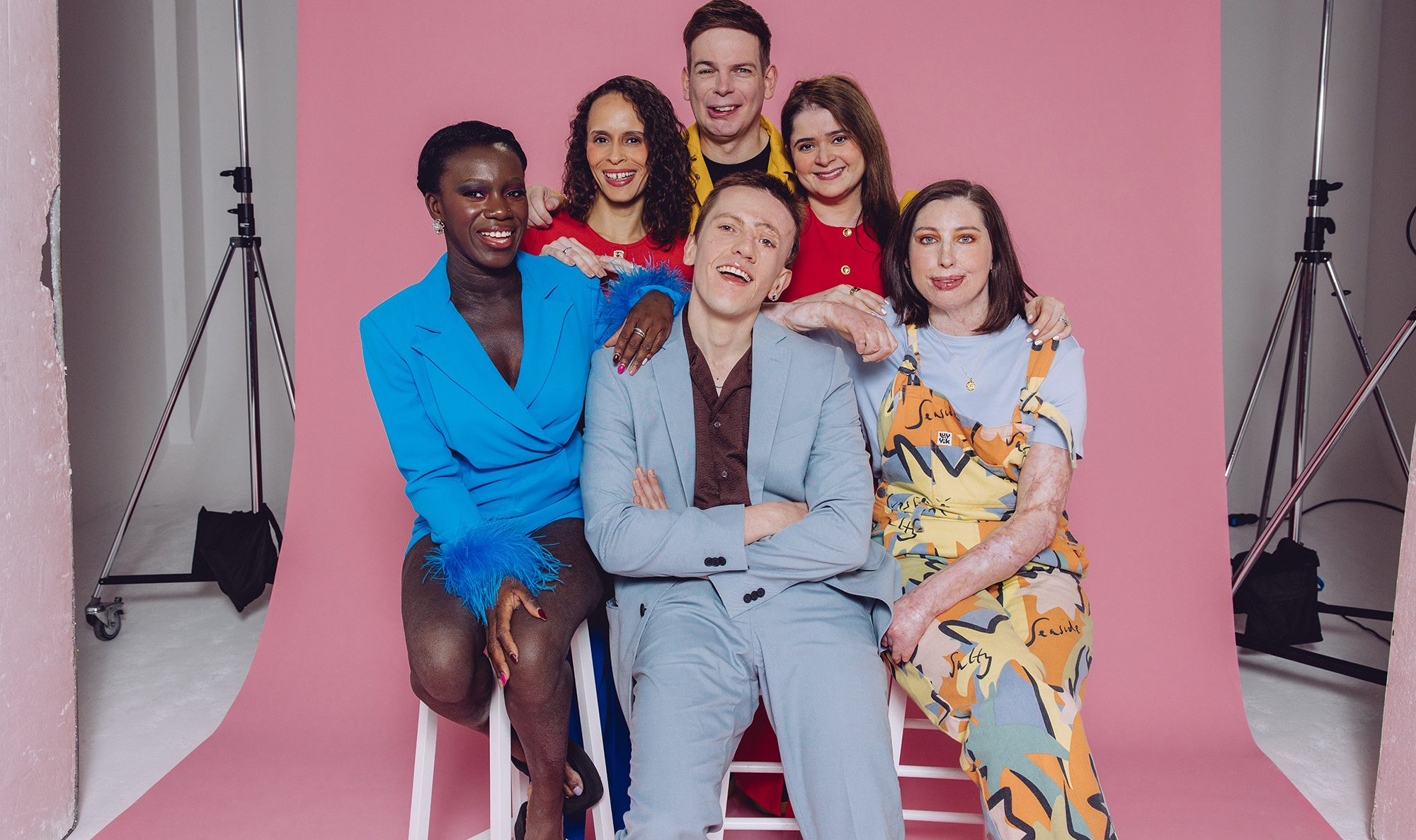
Stop making visible difference the villain
Have you signed our petition to create a future where people with visible differences are seen in all kinds of roles, not just the villan
Using difference as a visual shorthand for evil is so insidious because it inherently connects your outward appearance to the content of your character. Characters acquiring visible differences at the same time as their evil plans gather pace is so common that it’s become cliché.
Concerningly, it’s a trope that is particularly well-established in kids’ movies. Think of the lyric “evil as plain as the scar on his face” in The Lion King sequel. While progress is rightfully being made in dismantling harmful stereotypes associated with many marginalised groups, it seems that visible difference is often forgotten about and is still being used as a lazy explanation for instinctual fear.
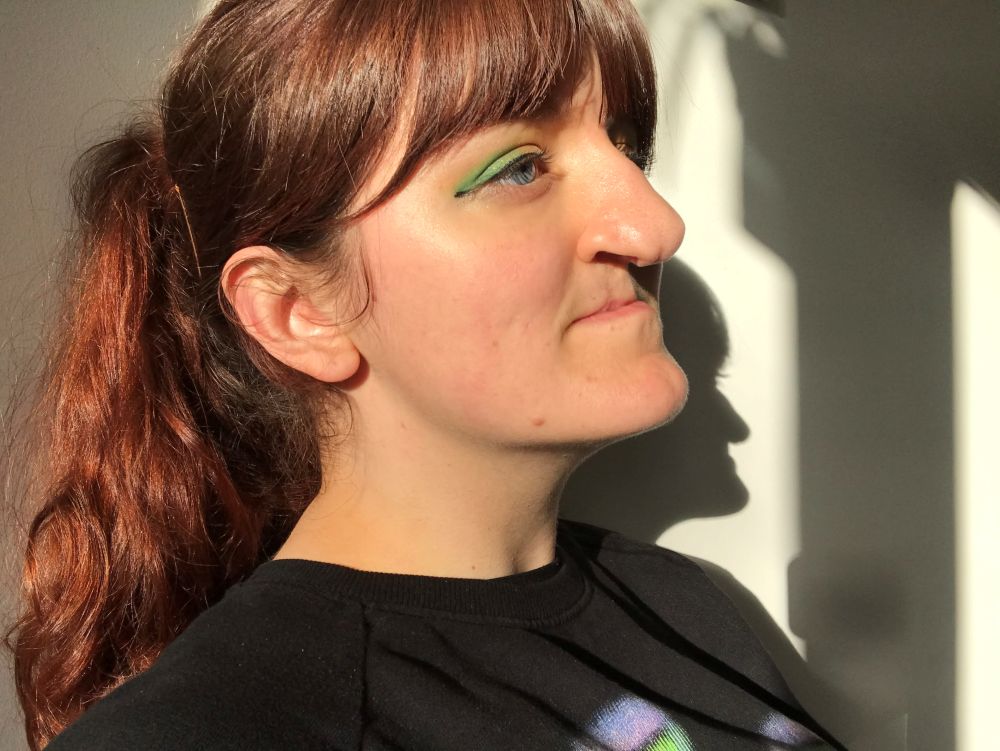
Visible difference can affect anyone at any time, whether you’re born with one or acquire one later in life. To never see yourself reflected in a positive light in the media you consume has a negative impact on your self-esteem, and it’s something I’ve had to work through.
Media reflects our society back at us and shapes the conversations we have, both individually and collectively. So far, people with a visible difference have been left at the edges, to be feared or pitied. That’s not enough anymore. We’re whole, complex people, and we need stories that reflect that. The public wants to see change to, with 61% of people surveyed by Changing Faces saying they want to see more people with visible differences represented in popular culture.
At Changing Faces, we’re calling for production companies, broadcasters and casting directors to ‘balance out’ the negative impact of portraying people with visible differences as villains in film and TV. If you agree that there needs to be more positive characters with visible differences, and better data collection on representation to measure progress, sign our petition.