When your child has a skin condition, the focus is often on creams, treatments, and routines. But what many people don’t talk about enough is the emotional side for both children and parents.
Supporting children with skin conditions isn’t easy. As a mum, I’ve seen how much more there is beneath the surface. It’s not just about skin. It’s about confidence, identity, and feeling comfortable in your own body.
Here are some of the most important things I’ve learned along the way.
1. Acknowledge the emotional impact
Even from a young age, children can become aware that they look “different.”
They may not always say it, but you might notice:
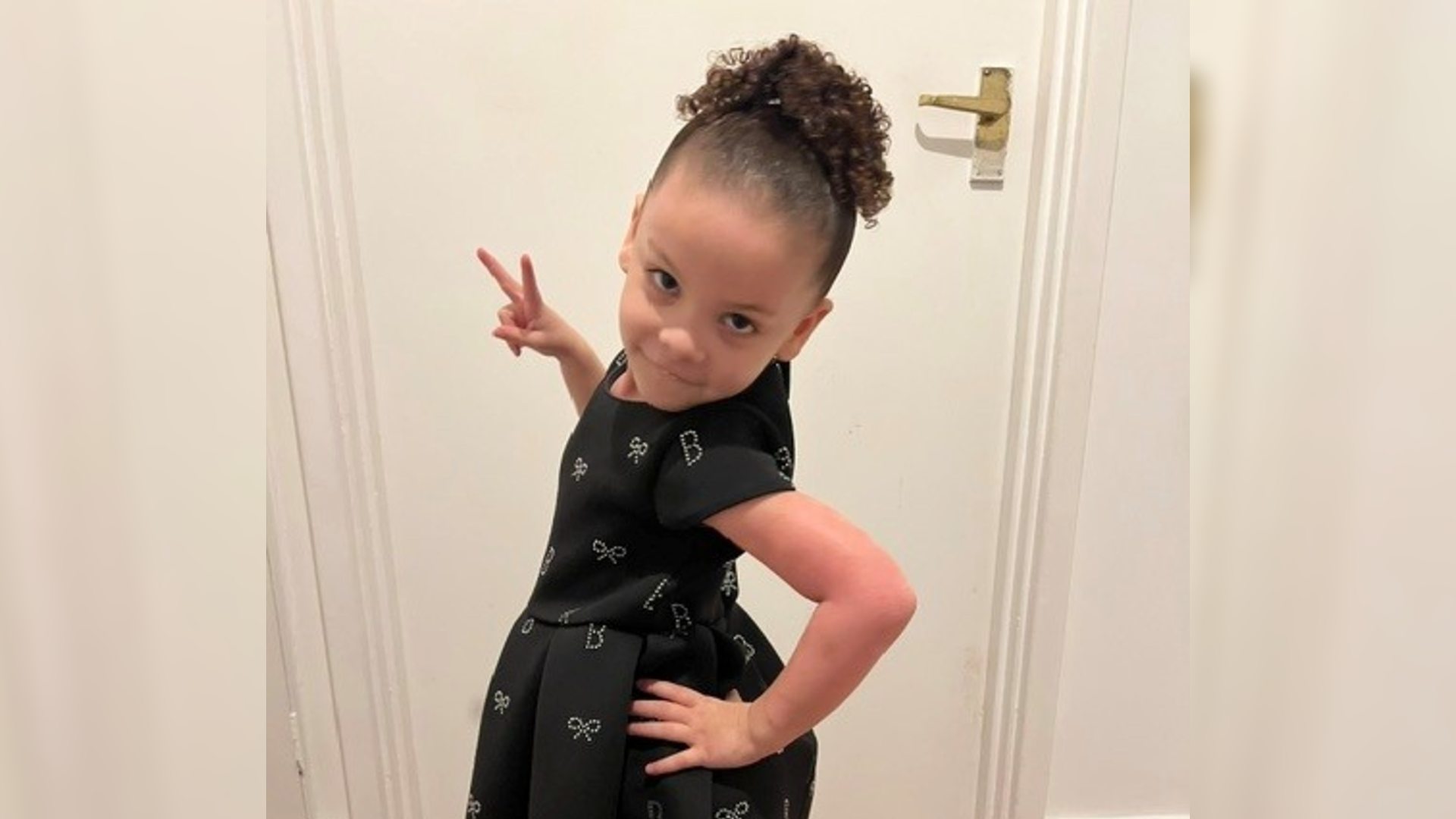
- They hide their skin – My daughter would always walk with her blanket so she could cover her face and hands
- They ask questions about how they look
- They compare themselves to others
Create a safe space where feelings are allowed. I know it’s easier said than done but no matter how much they reject the conversation, be persistent and let them know you’re here whenever they feel ready to talk. Most importantly, listen without dismissing it.
2. Build confidence beyond appearance
Confidence doesn’t come from “perfect” skin, it comes from feeling accepted and valued.
To build your child’s self-esteem, try to:
- Praise their personality, not just appearance
- Celebrate their strengths and interests
- Remind them what makes them, them!
This helps shift their identity away from their visible difference. They are enough exactly the way they are.
3. Be mindful of the language you use
Children pick up on everything. The way we talk about their skin can shape how they feel about it. Avoid negative language like “bad skin,” and instead keep things neutral and reassuring.
Also, be mindful of how professionals speak around your child.
Even in medical settings, language matters. It’s completely okay to advocate and say, “can we use simpler language” or “Can we explain that in a way my child can understand?”
Don’t let your child be spoken about as if they’re not there.
Sometimes professionals can speak over children, using complex medical terminology that can feel overwhelming or even frightening.
Gently bring your child into the conversation… they deserve to be heard; this is their life. Show your child that their voice matters, and their feelings matter, in every setting.
Remind them: their skin does not define them.
4. Help them feel seen and represented
Representation is powerful.
Books and stories that reflect children with skin conditions can help them feel understood and less alone. Sometimes, seeing someone like them is all it takes to change how they see themselves.
But representation doesn’t stop at books. Bring these conversations into real life. Encourage schools to include diverse stories and resources. Share books, suggest topics, and open the door for more inclusive learning.
Invite speakers, support groups, or organisations into schools and communities. Hearing real life stories and meeting people who have walked the path before them can be incredibly powerful.
Reaching out for support is not a weakness, it’s a strength.
We live in an age where social media has allowed us to connect with everyone in the world, USE IT! It can be a beautiful space when used intentionally. These growing communities sharing their journeys can be life changing for a child (and parent). They show them that “there are people just like me”.
One of mine and Nyah’s favourite things to do is scroll on TikTok together, watching content creators confidently show up with skin conditions and visible differences. We will sit there and say “oh, her skin looks like mine” “She has eczema and she’s a teacher, WOW”.
Those small, everyday moments might seem simple, but the impact is immeasurable. They show our children what’s possible. They help them envision their future, knowing that they are not limited by how they look.
5. Be aware of behaviour changes
One of the hardest things to navigate as a parent isn’t just the physical symptoms, it’s the changes you start to see in your child’s character. I found myself thinking, “This isn’t her.”
My daughter’s confidence shifted. Her mood changed. There were moments where she seemed more withdrawn, more frustrated, not quite like the child I knew before. And that was really difficult.
It became hard to separate what was “her” and what she was going through. And if I’m honest, it didn’t just affect Nyah. It affected me mentally too.
There were moments I felt overwhelmed, emotional, even unsure how to cope. Moments where I questioned myself, where I felt alone in it all.
You are allowed to feel that way.
You are allowed to feel sad.
You are allowed to acknowledge that some behaviours are hard and it’s okay to have your own feelings about it too.
Supporting your child doesn’t mean ignoring your own emotions. I remember worrying about how things may look from the outside, feeling like I had to keep everything together. But when I finally opened up and spoke to other parents, I realised something important:
I wasn’t the only one feeling this way. And neither are YOU.
6. Don’t be afraid to reach out for support
It’s so easy to internalise everything as a parent.
To feel like:
- You’ve caused it
- You should be able to fix it
- You’re not doing enough
And when things are difficult at home, whether through stress, overwhelm, or challenging behaviours, those feelings can become even heavier.
But you don’t have to carry it all alone. Reaching out for support is not a weakness, it’s a strength.
You are not the cause, and you are not alone.
7. There’s no “off switch”, so hold onto the small moments
You’ll often hear advice like “take a break.” But the reality is, that’s not always possible.
Particularly as a single parent, especially when your support system isn’t nearby, there isn’t always someone to step in.
We’ll keep going. We’ll keep learning. And we’ll keep pushing forward together.
The responsibility doesn’t pause.
So instead of waiting for a break, I’ve learned to hold onto the small moments:
- A cuddle without worry
- A smile on a good day
- Laughing together over something silly
- A calm moment after a hard day
You don’t need perfect days, just meaningful ones.
8. Live life fully, freely and LOUDLY
Don’t wait, don’t hold back, don’t shrink your life. Live it.
Not “when things get better”.
Not “when their skin clears up”.
Not “when everything feels perfect”. What even is perfect?
Laugh loudly, take photos, go out, make memories. You and your child deserve that. Exactly as you are.
Watching my daughter go through this journey changed me.
Seeing her confidence shift… Seeing parts of her personality fade… I remember thinking, “I just want her to see herself the way I see her.” Strong. Beautiful. Enough, exactly as she is.
And that’s when I had the idea to write Nyah’s Magic Skin. I wanted to give her something she could come back to on the hard days. Something that would remind her who she is.
Nyah’s Magic Skin is a story to help children with visible differences feel seen, understood, and confident in who they are.
The representation our children need.
There isn’t a quick fix. We’re still on this journey of flare ups and moments that feel hard for both of us.
I know new challenges will come too, but what’s changed is how we face them. With more understanding. More patience. And more strength.
We take it one day at a time. We celebrate the good days. and we hold each other through the hard ones.
And no matter what comes next… We’ll keep going. We’ll keep learning. And we’ll keep pushing forward together.