I used to think my confidence came from fitting in. I had a face that blended into the world neatly – conventionally attractive, polished, unremarkably “right”. I didn’t stand out, but I didn’t have to. I felt “enough” because I looked how a successful young woman was supposed to look.
Then cancer arrived, quietly at first. I told myself it would be simple, a bit of treatment, some inconvenience, then back to life as usual. I clung to denial like a lifeline.
And then came the words no one imagines hearing: “We have to remove your nose.”
I remember standing in Sainsbury’s just before my surgery and catching a man glance at me. I thought, with a sting of panic, “No one will ever look at me like that again. I won’t be desirable. I won’t belong.” I worried my husband – young, attractive, vibrant – would feel trapped with a wife marked by illness. I feared my toddler would recoil from me.
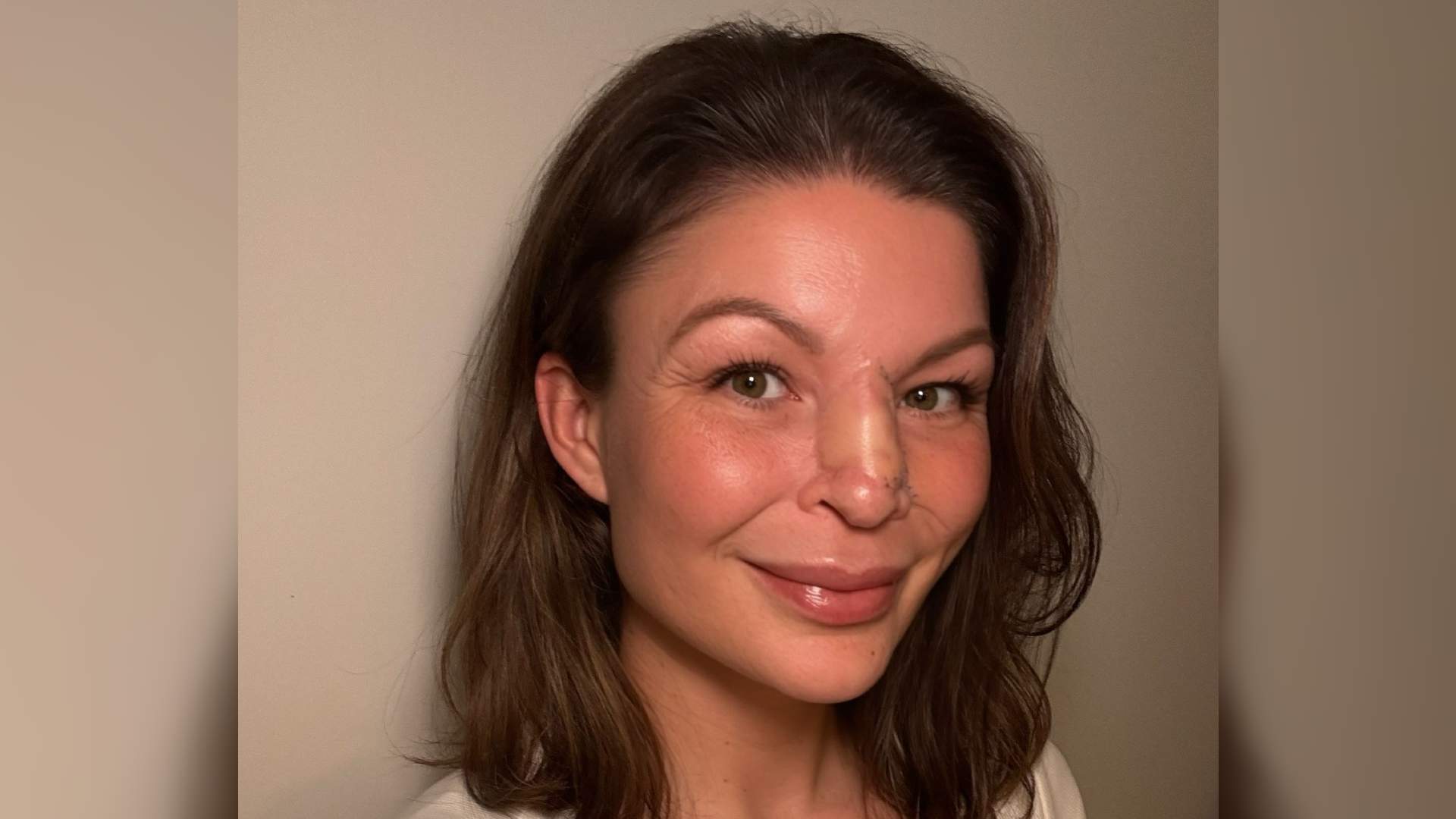
The surgery happened. I came home with bandages and fear. At first, I hid. I didn’t answer the door. I avoided mirrors. I mourned my face, flaws and all. I felt like my identity had been amputated. It’s hard to explain the grief that comes with losing the part of you the world recognises first.
I asked for support and was referred once, but it was assumed I had it “handled”. I had my family and an incredibly solid partner, which was everything, but there were huge emotional shifts I had to navigate on my own.
Friends didn’t always know what to say. People my age don’t expect cancer to happen to them, and they certainly don’t expect it to change your face.
Today, I stand in the world as I am – not despite my face, but with it. I am proud of who I’m becoming.
Much of my healing came from years of personal development work, a deep commitment to mindset and resilience, and a willingness to sit with the discomfort. Still, I wish more structured psychological support had been offered. Losing part of your face isn’t just medical, it affects your identity and where you fit in society too.
But slowly, I came back to life.
Reconstruction began, and with it, a kind of reconstruction of my identity. Without the armour of beauty, I realised how much of myself I had hidden behind it. I had spent years believing my value came partly from how I looked. Suddenly, I was forced to confront the truth: who was I without my face?
The answer surprised me.
I discovered I could be seen, truly seen, without aesthetic permission from the world. I realised people didn’t love me for my nose or my symmetry; they loved me for my humour, my grit, my warmth, my mind. My value was never in my cheekbones; it was in my character. Losing my face didn’t erase me, it uncovered me.
Public reactions came, of course. Stares. Awkward glances. Children’s curious questions, which I welcomed. I’d rather educate than make it taboo. Teenagers whispering or not whispering at all…instead shouting “creature” and “what is that?”. Those moments hurt. I’ve cried in supermarket car parks. But I’ve also learned that anyone who judges a person by their face never deserved a place in my life. My visible difference has become a filter, a fast route to depth, kindness and truth.
The greatest gift, though, has been what this means for my daughter. Instead of being a mother who teaches her child that appearance isn’t everything, I get to be the one who proves it isn’t. She will grow up knowing beauty is not a currency, identity doesn’t come from a reflection, and confidence isn’t built in the mirror.
Today, I stand in the world as I am – not despite my face, but with it. I am proud of who I’m becoming. I live a full, ambitious life. I laugh, I parent, I strive, I dream. I am not hiding. I don’t want other people living with facial difference to hide either.
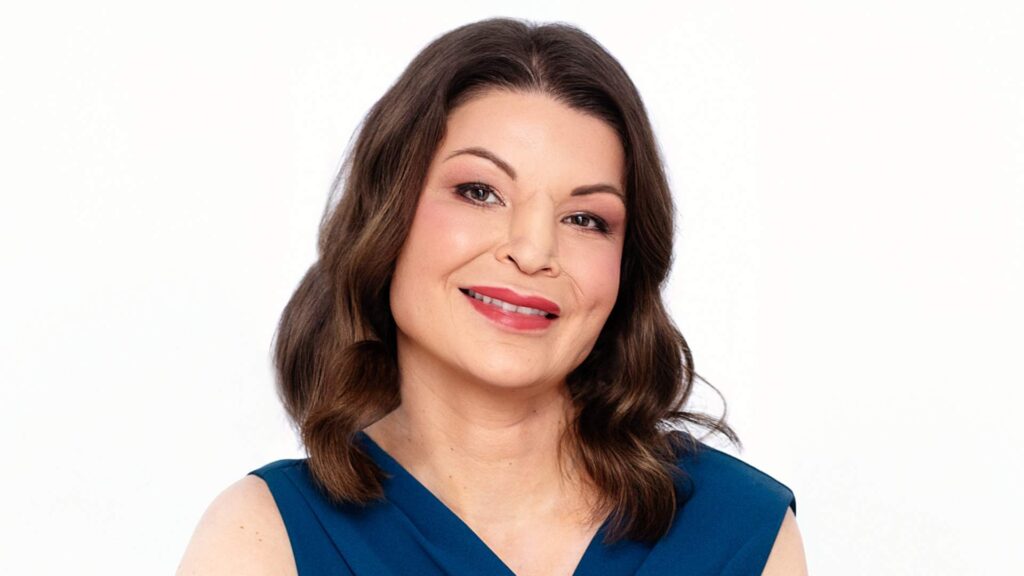
Vikki has realised that her value comes from her character, not her appearance
Acquiring a facial difference after cancer doesn’t mean losing who you are. You’ve just lost the mask the world taught you to hide behind. There is no such thing as “normal”. We are all different, but some of us no longer blend in. That can feel terrifying, but it can also become freedom.
Don’t rush to be brave, just be honest with yourself. Let the grief come, and over time, you may find you feel more authentically yourself than you ever did before. Being released from the pressure to look a certain way can open doors to your true power.
Resilience looks different on every face. Mine changed, and somehow, so did my life. I’ve been able to build a life that is bigger, braver and far more meaningful than the one I had before. I’m not broken; I’ve been rebuilt.
We need representation that isn’t rooted in pity or heroism, but in reality, strength, and pride. I want facial difference to be seen not as something you “cope” with, but as one part of a full, rich life.
That’s why I decided to enter a beauty pageant. I didn’t know what to expect, but I’ve ended up becoming a finalist! Mrs Southampton 2026 in the Galaxy Pageant. I’m nervous, but I want to show that you don’t have to meet certain standards to put yourself in the spotlight. I hope by being visible that I help someone else to feel a little braver about being seen too.