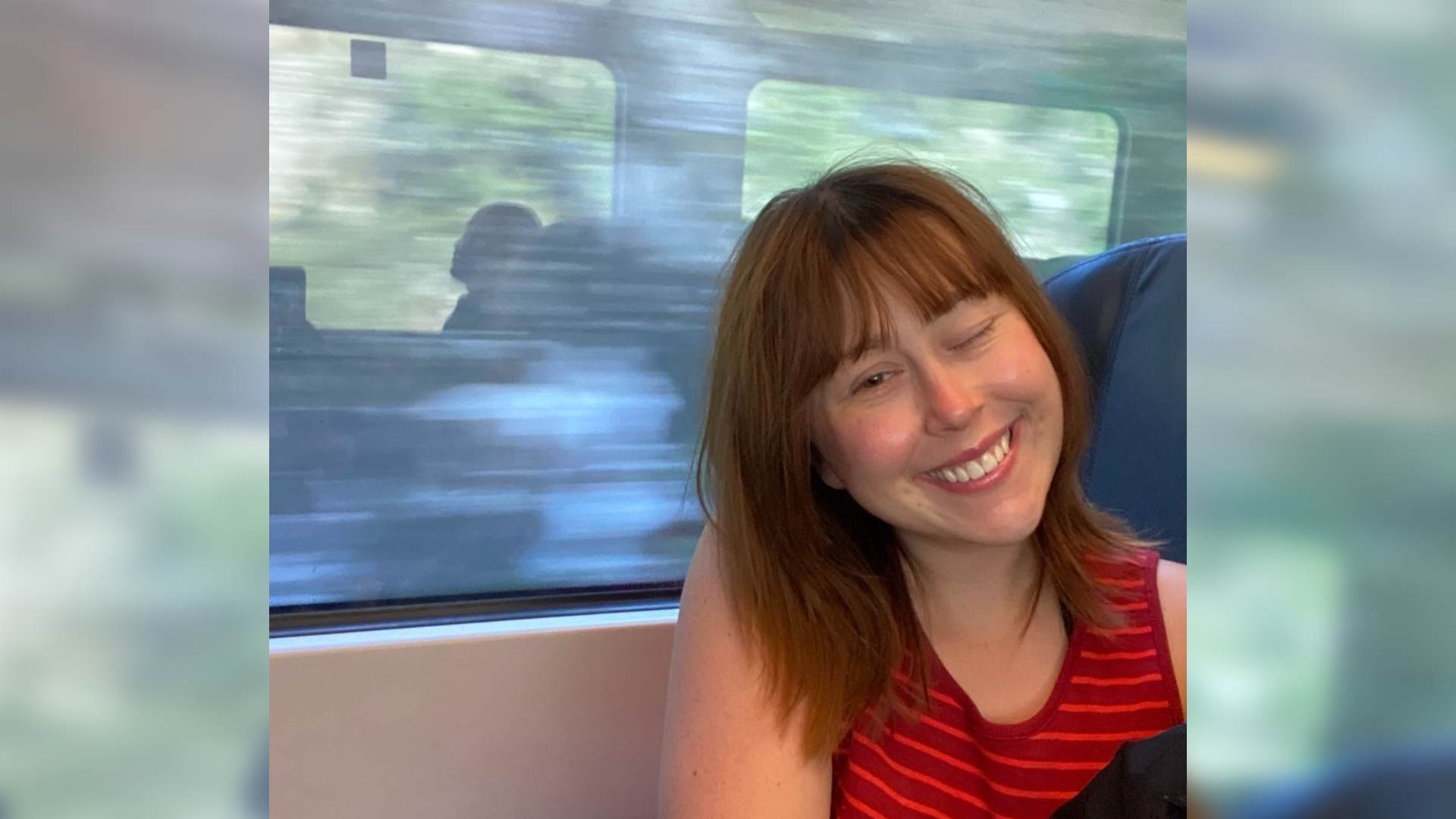
I have a medical condition called Neurofibromatosis Type 2 (NF2). This causes benign tumours to grow in, on and around the nerves in my body. As a result, I have a visible difference in the form of a frozen wink. My right eye is shut away from the world, the lid permanently closed.
My visible difference didn’t affect my childhood in the ways most would think. I wasn’t bullied or picked on by my peers. I have always been surrounded by the “right” people. The relationship I had with myself was and still is the hardest one. It’s a constant battle of reaffirming and validating the reflection I see in the mirror.
Growing up, my exposure to people with visible differences consisted of cartoon villains, mockery shows or people in the circus. This combined with the ever-growing comparative consumerism that social media provides really was, for a long time, confirmation that I would never be “enough”. I was constantly reminded that I’m not what people strive for. I felt different and not in a positive way.
My day-to-day interactions with people include stares, double takes and gawks. The weight that being viewed whenever I leave the house brings is considerable, and I carry it with me every day. I feel like an unwilling circus act – “Do come and see this strange creature”.
I work within London and use public transport frequently. These long, enclosed carriages with seats facing inwards are a perfect opportunity for what I call “viewing time at the zoo”. Where you choose to look is limited. It’s either down at your phone or newspaper, or, more frequently, at others around you. Unfortunately, I create a field day for people at this “zoo”. They act like they have stumbled across a rare animal and must not take their eyes off it.
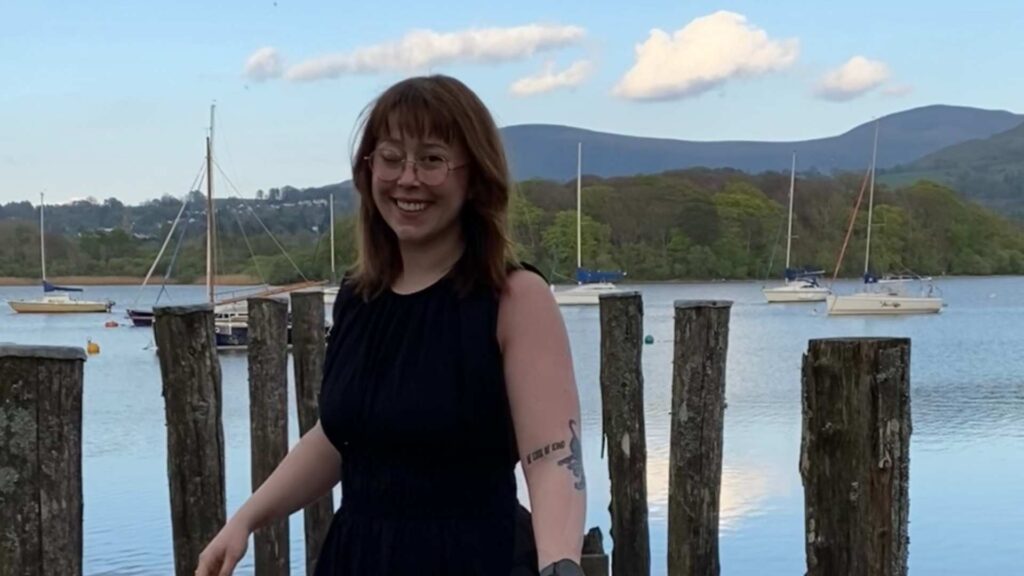
Savannah wants to be able to live without constant stares
Although I talk about this comically, it is my reality. Humour has become a way to cope with the daily and overt judgment. My tolerance for others assessing me depends on how many times it’s already happened that day. I try to be compassionate and understand their inquisitiveness, the standard curiosity when you see something different. I offer a smile; more as a reminder to the viewer that I am indeed a person, with feelings, and that they should acknowledge this and avert their stare elsewhere.
I have strangers ask me outright: “What’s wrong with your eye?”, “What happened to your eye?”, “Oh goodness! Is your eye okay?”. All of this is said before saying hello or asking my name.
These questions are extremely intrusive. They make me feel on the lesser side of an uneven balance of vulnerability with total strangers. It makes me angry that people feel entitled to enquire about a physical attribute when I doubt that they would ask the same regarding race or weight.
My way of dealing with these strangers’ demands for answers was to flip the power within the conversation. “I have brain tumours,” I would say.
This made people go from a place of feeling entitled to a place of sympathy – a sorry that they asked – commonly followed up by a story of one of their family members who also had a tumour.
My more common answer now is: “What an odd thing to say to a stranger.” Then I walk away. I now hold my power in making the questioner reflect.
I had been offered counselling from within the medical team supporting my condition. Unfortunately, I was met with the notion that I could only talk about how my medical condition affects me and not have wider counselling discussions. I politely declined, feeling extreme frustration, and was dumbfounded that there was no recognition that everything is interlinked.
Stand tall in your difference. Own it. The things that set you apart are often the very things that make you powerful.
I went home that afternoon and vigorously researched counselling and therapy options for people with a visible difference. This is where Changing Faces came in. It was my first-time hearing about Changing Faces, and I instantly felt seen simply by the charity existing.
I signed up for their counselling service and was placed on a waiting list. The time soon flew by, and I was assigned to a wonderful counsellor. We worked together for 12 weeks. During this time, I was provided with a space where I could bring anything to the table. It was acknowledged that everything is interconnected – my visible difference affects my work, relationships, self-esteem, just to name a few. I was welcomed to bring everything and anything I needed into my sessions.
These sessions have been a pivotal part of my self-discovery and personal growth. Beyond the counselling itself, Changing Faces has provided me with a sense of community and belonging that I didn’t even realise I was missing. Knowing there are others who understand the unique challenges of living with a visible difference has been both comforting and empowering. The charity’s resources, campaigns, and shared stories have reminded me that my experiences are valid, and that I’m not alone in navigating them.
The support from Changing Faces has also encouraged me to speak more openly about navigating life with NF2. It’s given me language for feelings I once couldn’t articulate, and confidence to challenge assumptions – both from others and within myself. Most importantly, it has helped me reconnect with parts of myself that were pushed aside while I focused on simply “getting by.”
There will be moments when the weight of other people’s stares, words, or ignorance feel heavy but remember, their reactions are not a reflection of your worth. You have every right to take up space in this world exactly as you are. Stand tall in your difference. Own it. The things that set you apart are often the very things that make you powerful. People may try to define you through their narrow lens, but you get to decide who you are.
I hope that future generations grow up knowing that having a visible difference is not something to hide or apologise for.
Surround yourself with people who uplift you and remind you of your strength when you forget. Build a support network that fuels your confidence and pushes you forward. When those tough days come, remind yourself of this simple truth: you have already overcome so much just by existing authentically in a world that wasn’t built for you. That is strength and resilience.
Our visible difference is part of our story, but it is not the limit of it. We are capable, deserving, and enough – always.
I hope to keep growing into a version of me that feels free. Free from the weight of other people’s opinions, and from the constant need to explain myself. I want to build a life where my visible difference is simply part of who I am, not the focus of every interaction. I hope to keep finding strength in the moments that challenge me, and joy in the spaces that make me feel truly seen.
I want to see a future that doesn’t just tolerate people with visible differences but genuinely includes and celebrates us. Where staring turns into understanding, questions are asked with kindness, and difference is treated as something natural.
We need more representation in everyday life, whether that’s in the media, in workplaces, or just in the people we see around us. I hope that future generations grow up knowing that having a visible difference is not something to hide or apologise for. Everyone deserves to feel safe, respected, and proud of who they are, without needing to explain or defend themselves.
More than anything, I hope that one day living with a visible difference won’t feel like navigating a world that wasn’t made for us. It will simply be living.