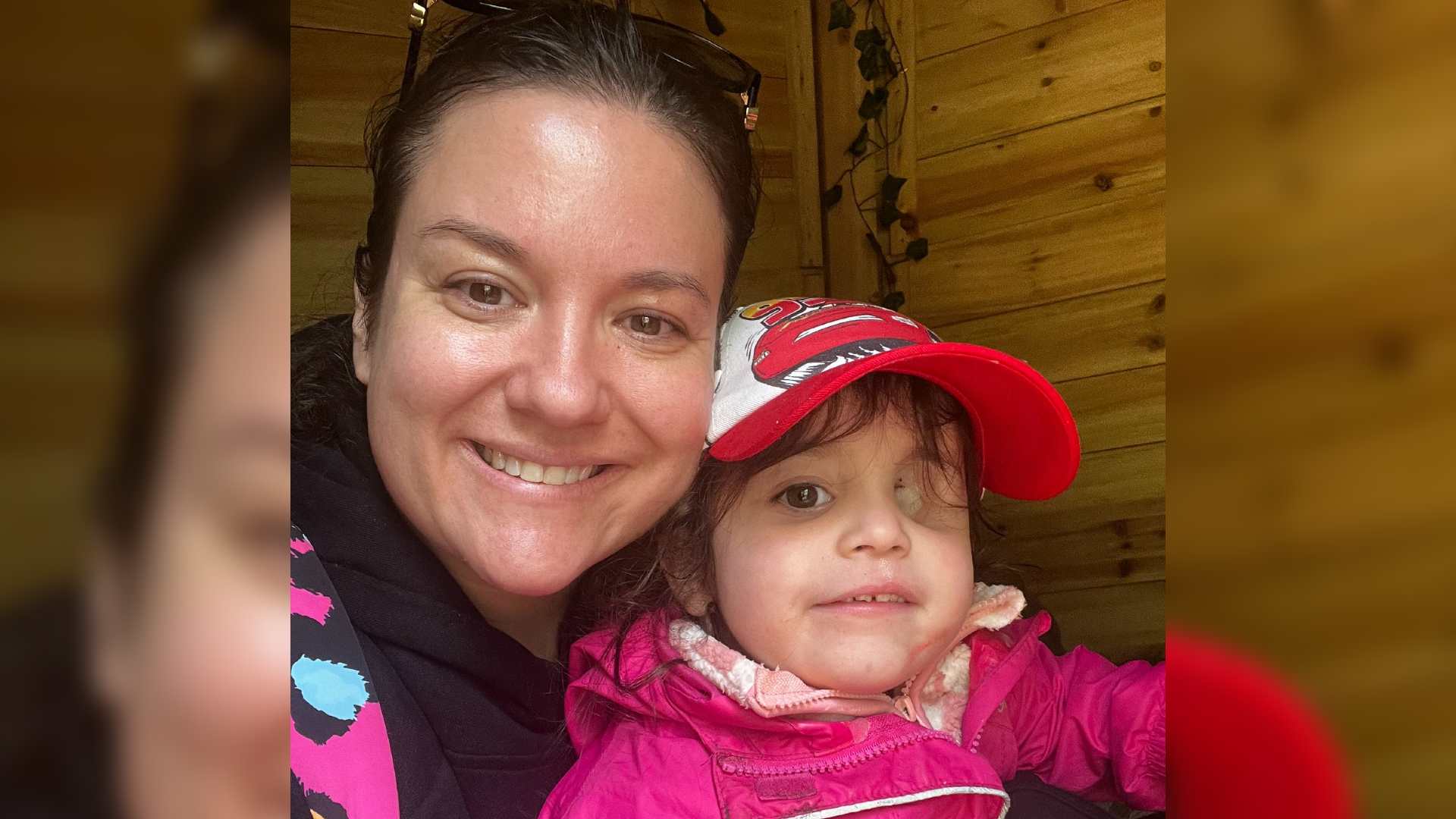
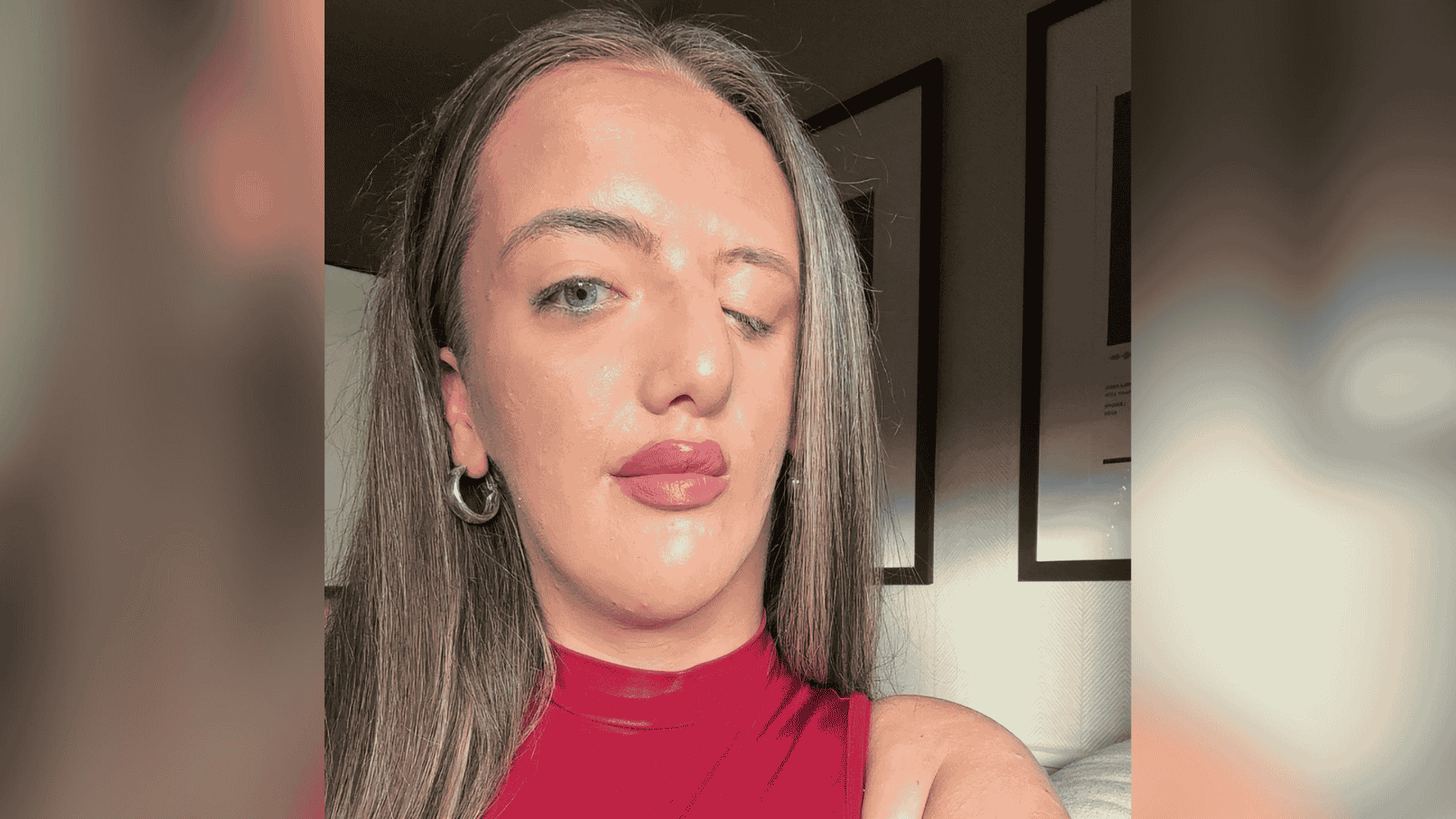
I’m Lola, I’m 19 years old, and today I’m sharing my story of growing up as a teenager with Goldenhar syndrome, and learning that my visible difference doesn’t define who I am.
Goldenhar syndrome affects different people in different ways. For me, it means I was born blind in my right eye, and my left eye has nystagmus, so it moves constantly from side to side. I also have one leg that’s shorter than the other, which means I wear a raised shoe and know I’ll probably face hip problems as I get older.
Some days I joke that although I’m just a teenager, physically and mentally I already feel like an old woman.
Growing up, I was very aware that my body didn’t look or work like everyone else’s. But over time I’ve realised that’s not something I need to apologise for.
I found support through Changing Faces when I needed it most.
I was born three months early, and was immediately airlifted from Inverness to Glasgow, where I spent the first five months of my life in hospital, in an incubator.
Five months later, and I finally got to go home. I was raised by a single mum for the first seven years of my life, who worked incredibly hard to support my brother and I. Looking back now, I realise how much she carried. Hospital appointments, therapies, work, and everyday life all fell on her shoulders. Her determination and resilience definitely rubbed off on me – she always told me to never give up, or let other people decide what I am capable of.
I learnt from an early age that you never know what you’re going to achieve unless you try. Just because some things are harder for me, doesn’t mean that I can’t do it. When my friends were riding bikes, I was the one on a scooter, trailing behind. Eventually, I got fed up with watching everyone else race ahead, so every evening before sunset, I would go into the garden and practice. A few days later, I was flying past my friends. I’ve carried this lesson into the rest of my life.
I never thought I’d get a job because of my disabilities. Now, I can proudly say that I worked at McDonald’s for three and a half years, progressing from crew member to crew trainer. While many 16-year-olds struggle to get jobs, this one gave me confidence, independence, new skills and friendships I’ll always keep with me.
There are often times when I’m out and about where people notice my visible difference, and tend to stare at me. Through the years, I have become better at dealing with this unwanted attention. Although I get times where I have an awkward encounter with children, I’ve learnt how to respond to them in a way that remains comfortable for me.
Through the challenges of living with a visible difference, I honestly don’t know where I’d be without my friends. They are kind, genuine and I know that anything I do or say – no matter how good, bad, or crazy, I won’t be judged for it.

Lola has a great group of friends that provide support
They know when I’m having a bad day, and cheer me on when my confidence dips. They remind me of the person I am.
I’ve also found something really special through the Goldenhar family weekends.
Every year, families from across the UK get together. Over time I’ve become close friends with other young women with Goldenhar syndrome, and now we have our own group chat.
We call ourselves the “Golden Girls.”
Whenever I’m struggling, they’re there. There’s something incredibly comforting about talking to people who don’t need an explanation because they just get it.
I found support through Changing Faces when I needed it most.
There was a time when I found looking in the mirror really difficult. I’d criticise every part of my face. I’d compare one eyebrow to the other. I’d pin my ear back to see what I’d look like if it were different. I focused on every tiny detail I wanted to change.
That’s when I reached out to Changing Faces. The support I received, including attending online groups and connecting with people who understood life with a visible difference, helped me see myself differently. It gave me space to talk honestly about how I was feeling without having to explain why appearance could affect my confidence so much.
My friends are amazing, but it’s different talking to people who understand what it’s like to live with a visible difference every single day.
Living with a visible difference means people can treat you differently, for better and for worse. But I’ve realised that someone’s first impression isn’t the whole story.
If people take the time to get to know me, they’ll find someone who’s loyal, resilient, trustworthy, and always trying to make other people smile.
If you’re another teenager with Goldenhar syndrome, or you’re growing up with any visible difference, I’d want you to know that you aren’t alone. Finding people who understand your experience has been one of the biggest parts of building my confidence.